Fortinet FAP-441K FortiAP Wi-Fi 7
The Fortinet FAP-441K FortiAP is a high-performance enterprise Wi-Fi 7 indoor wireless access point designed for demanding campus, enterprise, branch, education, healthcare, hospitality, and high-density wireless environments.
The FAP-441K features four radios plus a dedicated BLE/Zigbee radio, with 4×4 MU-MIMO service radios across 2.4 GHz, 5 GHz, and 6 GHz. It delivers maximum PHY data rates of up to 1.148 Gbps on 2.4 GHz, 8.648 Gbps on 5 GHz, and 11.530 Gbps on 6 GHz, for an aggregate radio capacity of approximately 21.3 Gbps.
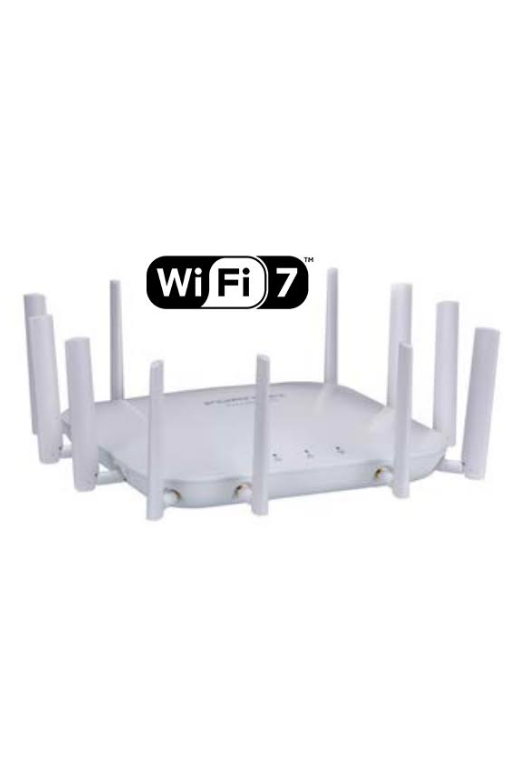
The access point provides 10 integrated internal Wi-Fi antennas, dual 10GbE multigigabit RJ45 ports, integrated BLE/Zigbee, GPS/GNSS capabilities, USB 3.0, and support for 802.3bt PoE. It is designed for high-capacity enterprise wireless deployments where multi-gigabit connectivity, low latency, and continuous wireless monitoring are important.
Description
The Fortinet FAP-441K FortiAP is an enterprise-class Wi-Fi 7 (IEEE 802.11be) indoor access point built for high-performance and high-density wireless environments.
Unlike conventional tri-radio access points, the FAP-441K uses four radios plus BLE/Zigbee. The first three radios provide 2.4 GHz, 5 GHz, and 6 GHz client connectivity using 4×4 MIMO, while the fourth radio operates as a dedicated multi-band scanning radio. This architecture allows wireless monitoring and security scanning without taking a primary client-serving radio away from service.
The 5 GHz radio supports channel widths up to 240 MHz, while the 6 GHz radio supports up to 320 MHz, taking advantage of Wi-Fi 7’s wider-channel capabilities. Wi-Fi 7 features such as 4096-QAM, OFDMA, Multi-Link Operation (MLO), MU-MIMO, BSS Coloring, and Target Wake Time are designed to improve throughput, efficiency, and latency for compatible clients.
The FAP-441K also provides two 10GbE-capable RJ45 interfaces, giving the access point up to 20 Gbps of aggregate wired interface capacity. This high-speed backhaul is appropriate for environments where wireless traffic can exceed the practical capacity of traditional 1GbE or 2.5GbE uplinks.
Key Specifications
| Specification | Details |
|---|---|
| Brand | Fortinet |
| Product Family | FortiAP |
| Model | FAP-441K |
| Product Type | Enterprise Indoor Wireless Access Point |
| Wi-Fi Generation | Wi-Fi 7 |
| Wireless Standard | IEEE 802.11be |
| Radio Architecture | 4 + 1 BLE/Zigbee |
| Service Radios | 2.4 GHz + 5 GHz + 6 GHz |
| Scanning Radio | 2.4 / 5 / 6 GHz |
| MIMO | 4×4 MU-MIMO |
| Wi-Fi Antennas | 10 Internal |
| BLE/Zigbee Antenna | 1 Internal |
| GPS/GNSS Antenna | 1 Internal |
| 2.4 GHz Data Rate | Up to 1.148 Gbps |
| 5 GHz Data Rate | Up to 8.648 Gbps |
| 6 GHz Data Rate | Up to 11.530 Gbps |
| Aggregate PHY Rate | Approx. 21.3 Gbps |
| 5 GHz Channel Width | Up to 240 MHz |
| 6 GHz Channel Width | Up to 320 MHz |
| Ethernet Interfaces | 2 × 10/5/2.5/1GbE RJ45 |
| USB | 1 × USB 3.0 |
| Console | 1 × RS-232 RJ45 |
| PoE | 802.3bt |
| Alternative PoE | Dual 802.3at current sharing |
| Maximum Power Consumption | 41.7 W |
| Simultaneous SSIDs | Up to 24 |
| Client Capacity | Up to 512 clients per service radio |
| Management | FortiGate / FortiEdge Cloud / FortiSASE |
| Form Factor | Indoor |
| Mounting | Ceiling / T-Rail / Wall |
| Security | WPA/WPA2/WPA3, 802.1X, WIDS/WIPS |
| BLE/Zigbee | Yes |
| TPM | Yes |
| GPS/GNSS | Yes |
Fortinet’s current Wireless Product Matrix identifies the FAP-441K as a Wi-Fi 7 indoor model with four radios, 10 internal antennas, dual 10GbE-capable interfaces, 802.3bt/dual-802.3at power options, and 41.7 W maximum power consumption.
Wireless Performance
| Radio | Frequency | MIMO | Maximum PHY Rate |
|---|---|---|---|
| Radio 1 | 2.4 GHz | 4×4 | Up to 1.148 Gbps |
| Radio 2 | 5 GHz | 4×4 | Up to 8.648 Gbps |
| Radio 3 | 6 GHz | 4×4 | Up to 11.530 Gbps |
| Radio 4 | 2.4 / 5 / 6 GHz | 2×2 | Dedicated scanning |
| Aggregate | Tri-band service radios | 4×4 | Approx. 21.3 Gbps |
The fourth radio is intended for scanning and wireless monitoring rather than being counted as another primary client-serving radio.
Actual throughput depends on client capabilities, channel width, RF conditions, interference, regulatory limitations, and network infrastructure.
Wi-Fi 7 Technology
The FAP-441K is designed around Wi-Fi 7 capabilities including:
- 4096-QAM for higher modulation efficiency
- Multi-Link Operation (MLO) for compatible Wi-Fi 7 clients
- 320 MHz channels on 6 GHz
- 240 MHz channels on 5 GHz
- OFDMA
- 4×4 MU-MIMO
- Uplink and Downlink MU-MIMO
- BSS Coloring / Spatial Reuse
- Enhanced Target Wake Time
- Multi-band wireless scanning
Fortinet specifically highlights 4096-QAM and wider 320 MHz channels as important capabilities of the 441K platform.
Four-Radio Architecture
One of the major advantages of the FAP-441K is its dedicated fourth radio.
The first three radios can simultaneously provide:
- 2.4 GHz client access
- 5 GHz client access
- 6 GHz client access
The fourth radio can independently perform:
- Rogue AP scanning
- Wireless intrusion detection
- Wireless intrusion prevention
- Spectrum analysis
- RF monitoring
- Packet capture and troubleshooting
This allows wireless security and monitoring functions to operate without sacrificing one of the primary client-serving radios.
Key Features & Benefits
- Wi-Fi 7 / IEEE 802.11be
- 4×4 MU-MIMO
- Four-radio architecture
- Dedicated wireless scanning radio
- Up to 21.3 Gbps aggregate PHY capacity
- Up to 11.53 Gbps on 6 GHz
- Up to 8.648 Gbps on 5 GHz
- Up to 320 MHz channels on 6 GHz
- Up to 240 MHz channels on 5 GHz
- 4096-QAM
- Multi-Link Operation (MLO)
- Dual 10GbE RJ45 interfaces
- 10 internal Wi-Fi antennas
- Integrated BLE/Zigbee
- Integrated GPS/GNSS
- 802.3bt PoE
- Dual 802.3at PoE current sharing
- USB 3.0
- Integrated TPM
- WIDS/WIPS
- Rogue AP detection
- Spectrum analysis
- FortiGate integration
- FortiEdge Cloud management
Network Interfaces
The FAP-441K provides two high-speed multigigabit Ethernet interfaces:
- 2 × 10/5/2.5/1GbE RJ45
- 1 × USB 3.0
- 1 × RS-232 RJ45 serial console
Both Ethernet interfaces support multi-gigabit operation up to 10GbE, providing the wired capacity necessary for a high-performance Wi-Fi 7 access point.
Power & PoE
The FAP-441K supports IEEE 802.3bt PoE for full-performance operation.
It can also support dual 802.3at PoE with current sharing, depending on the deployment configuration. Fortinet lists a maximum power consumption of approximately 41.7 W.
For full Wi-Fi 7 performance, especially when all four spatial streams and USB functionality are required, the appropriate PoE infrastructure should be used.
Security & Wireless Management
The FAP-441K integrates enterprise wireless security and monitoring capabilities, including:
- WPA/WPA2/WPA3
- 802.1X authentication
- EAP authentication
- Captive portal
- MAC address control
- WIDS/WIPS
- Rogue AP detection
- Spectrum analysis
- Packet sniffer
- Wireless client monitoring
- Wireless intrusion monitoring
- Fortinet Security Fabric integration
Fortinet FortiAP devices can be centrally managed by the integrated WLAN controller in compatible FortiGate appliances or through FortiEdge Cloud.
BLE, Zigbee & Location Services
The FAP-441K includes an integrated BLE/Zigbee radio for applications such as:
- Bluetooth beaconing
- Location services
- Asset tracking
- IoT connectivity
- BLE device discovery
- Indoor positioning applications
The access point also includes an integrated GPS/GNSS capability, adding location-awareness functionality for supported deployments.
Recommended Applications
The Fortinet FAP-441K is well suited for:
- Enterprise Wi-Fi 7 deployments
- High-density corporate offices
- University and campus networks
- Lecture halls
- Conference centers
- Healthcare facilities
- Hospitality
- Retail environments
- Government buildings
- Large branch offices
- Secure corporate WLANs
- Wi-Fi 7 collaboration environments
- IoT and BLE deployments
- Location-based services
- High-throughput wireless applications
- Fortinet Security Fabric environments
Physical Specifications
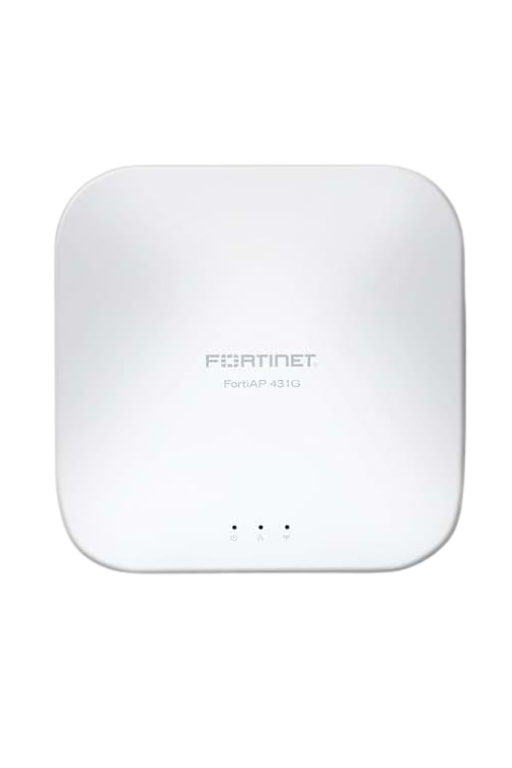
The FAP-441K measures approximately 250 × 250 × 57.5 mm and weighs approximately 1.98 kg. It supports ceiling, T-rail, and wall mounting.
| Specification | Details |
|---|---|
| Dimensions | 250 × 250 × 57.5 mm |
| Weight | Approx. 1.98 kg |
| Mounting | Ceiling / T-Rail / Wall |
| Operating Temperature | 0°C to 50°C |
| Storage Temperature | -30°C to 70°C |
| Humidity | 5%–90%, non-condensing |
| Surge Protection | Built-in |
| UL2043 | Plenum-rated material |
FAP-441K vs FAP-443K
The FAP-441K and FAP-443K share the same high-performance Wi-Fi 7 platform, but their antenna configurations differ.
| Feature | FAP-441K | FAP-443K |
|---|---|---|
| Wi-Fi | Wi-Fi 7 | Wi-Fi 7 |
| MIMO | 4×4 | 4×4 |
| Radios | 4 + BLE | 4 + BLE |
| 2.4 GHz | Up to 1.148 Gbps | Up to 1.148 Gbps |
| 5 GHz | Up to 8.648 Gbps | Up to 8.648 Gbps |
| 6 GHz | Up to 11.530 Gbps | Up to 11.530 Gbps |
| Antennas | 10 Internal | 10 External |
| Ethernet | 2 × 10GbE | 2 × 10GbE |
| PoE | 802.3bt / Dual 802.3at | 802.3bt / Dual 802.3at |
| Deployment | Indoor | Indoor |
| Best For | Integrated indoor RF coverage | Flexible external antenna deployments |
Fortinet’s current product matrix identifies the FAP-441K as the internal-antenna model and the FAP-443K as the external-antenna model.
FortiGate & FortiEdge Cloud Management
The FAP-441K can be deployed as part of a Fortinet secure wireless architecture.
With FortiGate management, the integrated WLAN controller provides centralized wireless configuration and monitoring without requiring an additional wireless-controller appliance. Fortinet states that FortiGate-managed FortiAP operation does not require an additional license for the WLAN controller function.
For standalone cloud-managed deployments, FortiEdge Cloud provides centralized hosted management for FortiAP devices. A FortiEdge Cloud subscription enables additional cloud-management features and capabilities.
Licensing & Support
The FAP-441K is the physical wireless access point hardware.
FortiCare support, FortiEdge Cloud subscriptions, and other optional services may be purchased separately, depending on the exact SKU and bundle.
For a store listing, do not state that support or cloud management is included unless it is specifically part of the supplied SKU.
Compatibility Note
The FAP-441K is a Wi-Fi 7 access point, not Wi-Fi 6E. It supports IEEE 802.11be along with backward-compatible 802.11 standards.
The availability of the 6 GHz band and specific channels depends on country-specific regulatory approval. Actual wireless performance also depends on compatible client devices, channel configuration, RF conditions, interference, and wired network capacity.
Related products
-
Cisco 24-Port Switch
Read more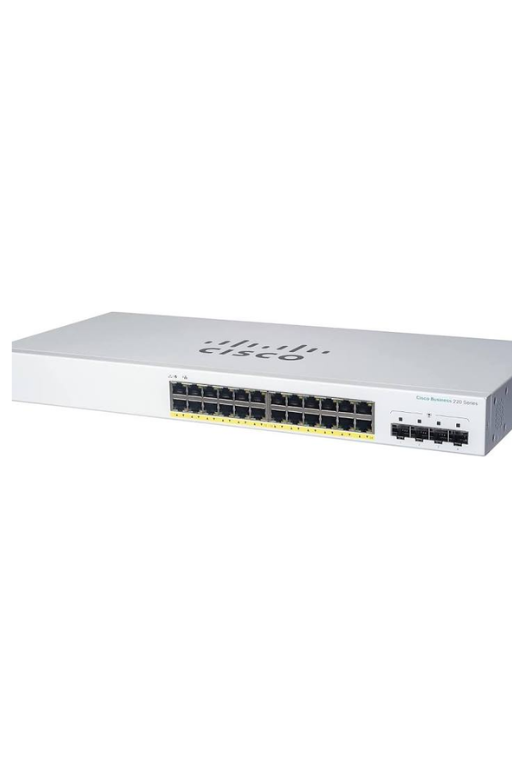
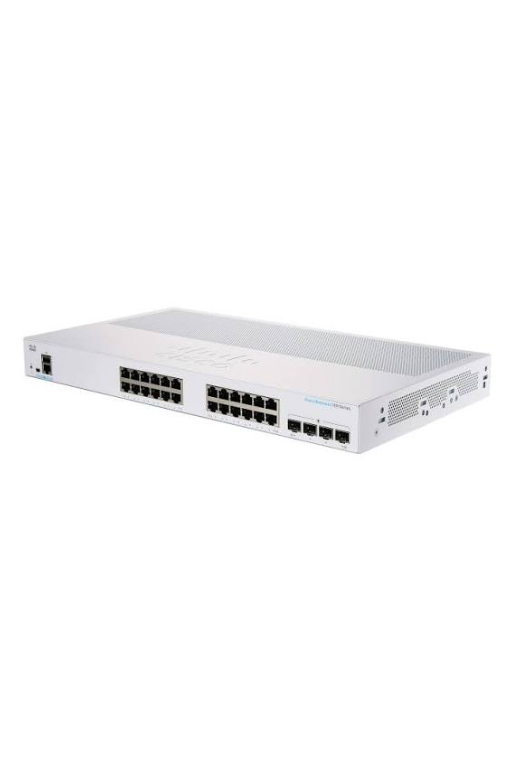
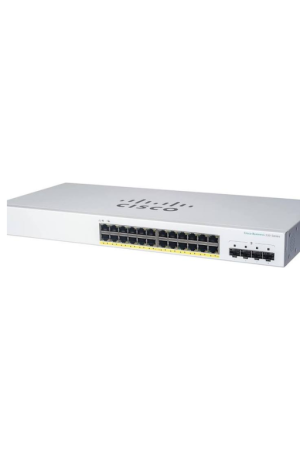
Cisco 24-Port Switch is a professional enterprise networking solution designed to provide reliable, high-performance wired connectivity for business networks, branch offices, server rooms, and campus environments. With 24 Ethernet ports and Cisco’s enterprise networking platform, it provides a scalable foundation for connecting computers, access points, IP phones, printers, servers, and other network devices. Depending on the specific model, Cisco 24-port switches are available in data-only, PoE+, and multi-gigabit configurations with different uplink and management options.
Quick View -
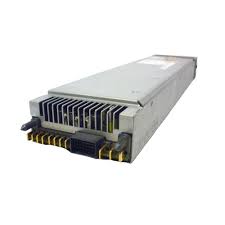
QLogic 7023303 Dual-Port 16Gb Fibre Channel / 10Gb FCoE Host Bus Adapter
Read more QLogic 7023303 Dual-Port 16Gb Fibre Channel / 10Gb FCoE Host Bus Adapter
The QLogic 7023303 is a high-performance dual-port Host Bus Adapter designed for enterprise SAN and data-center environments. It delivers up to 16Gbps Fibre Channel or 10Gbps Fibre Channel over Ethernet (FCoE) connectivity through two SFP+ ports and a PCI Express x8 host interface, providing flexible, high-bandwidth server-to-storage connectivity.
Quick View -


Hikvision CAT-6 Full Copper Network Cable
Read more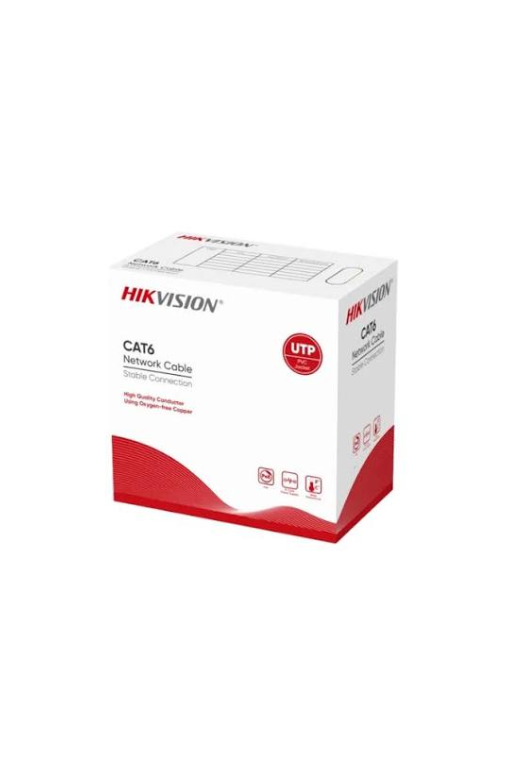
Hikvision CAT-6 Full Copper Network Cable is a professional-grade Ethernet cable designed for reliable high-speed data networking, IP surveillance, and PoE installations. Featuring a 99.95% solid bare copper conductor, 23 AWG construction, and CAT6 performance, it delivers low resistance, stable transmission, and dependable connectivity for modern network infrastructure.
Quick View -
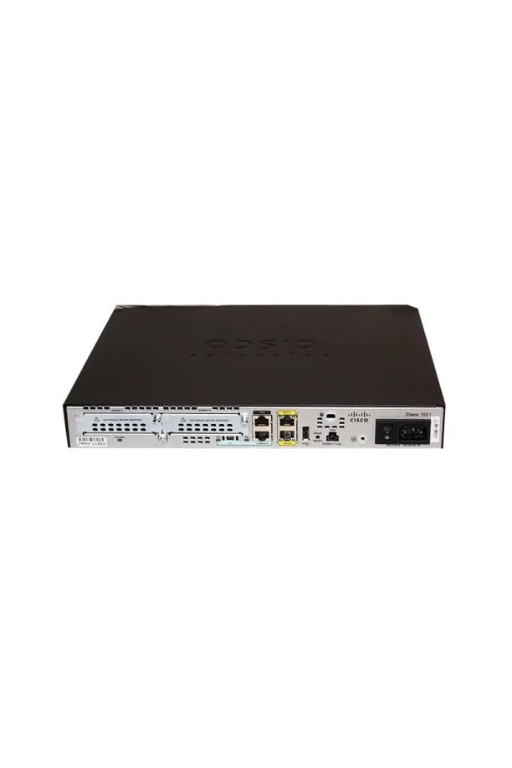
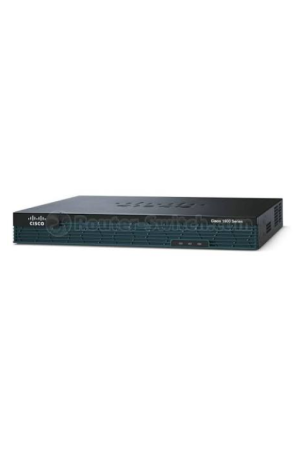
Cisco CISCO1921-SEC/K9 C1921 Security Bundle
Read more
Cisco CISCO1921-SEC/K9 C1921 Security Bundle is a modular enterprise router designed for secure branch-office and small-business networking. It features 2 Gigabit Ethernet interfaces, 512 MB DRAM, 256 MB Flash memory, and a Security License PAK, providing a flexible platform for IP routing and enhanced network security deployments.
Quick View