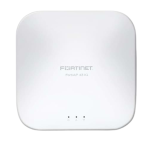
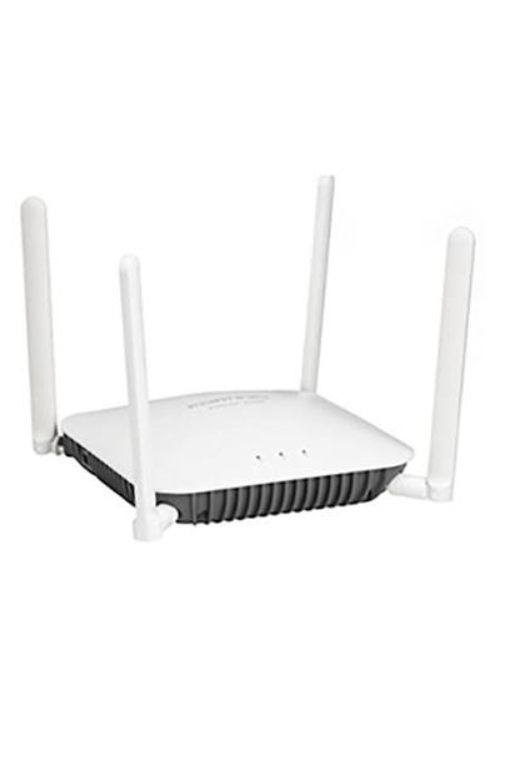
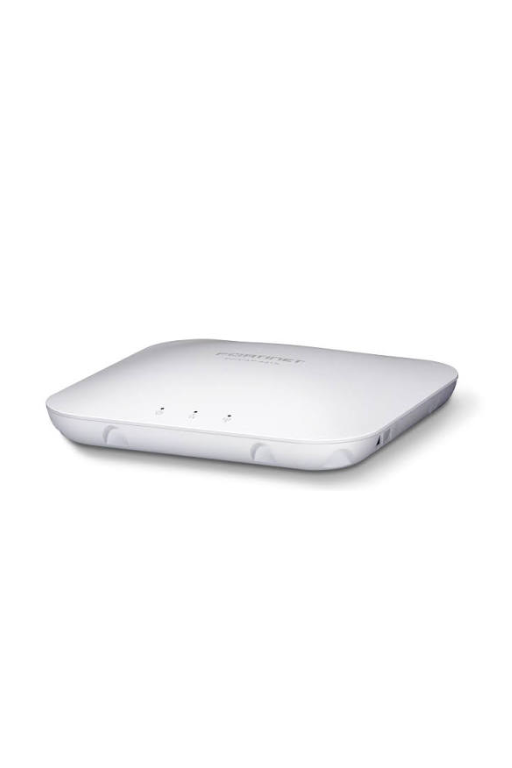
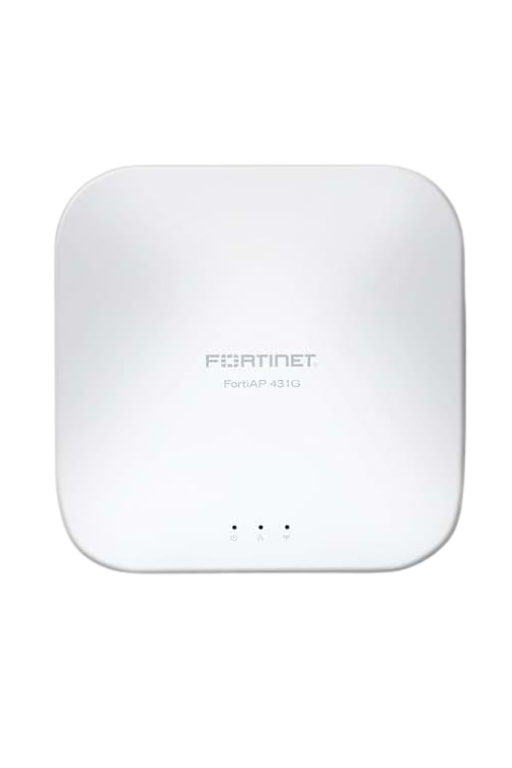
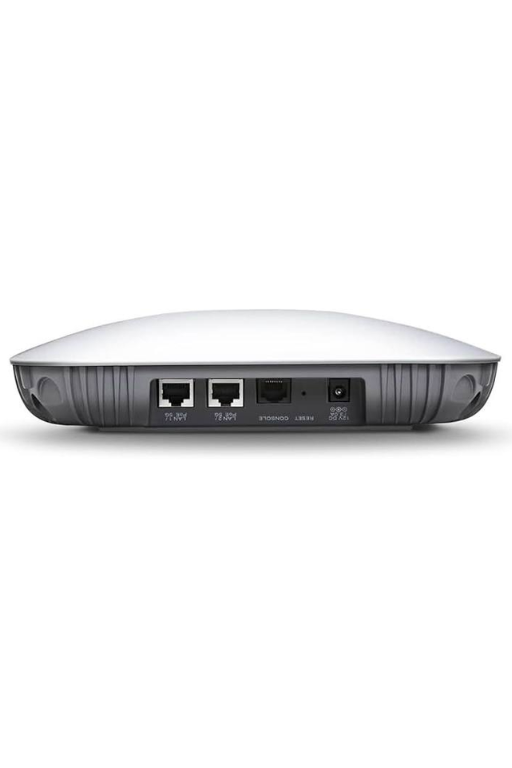
Fortinet FAP-431G FortiAP
The Fortinet FAP-431G FortiAP is a high-performance enterprise Wi-Fi 6E indoor wireless access point designed for demanding campus, enterprise, branch, education, healthcare, hospitality, and high-density wireless environments.
The FAP-431G features a tri-radio 2.4 GHz + 5 GHz + 6 GHz architecture, 4×4 MU-MIMO, and up to 1.148 Gbps on 2.4 GHz, 2.402 Gbps on 5 GHz, and 4.804 Gbps on 6 GHz. This provides a combined maximum PHY rate of approximately 8.35 Gbps.
The access point includes 8 integrated internal antennas, two 5GbE RJ45 network ports, integrated BLE/Zigbee, a TPM, and support for 802.3bt PoE. Its multi-gigabit interfaces and high client capacity make it particularly suitable for high-density enterprise wireless deployments.
Description
The Fortinet FAP-431G FortiAP is an enterprise-class Wi-Fi 6E access point designed to provide high-capacity wireless connectivity while integrating with Fortinet’s secure networking ecosystem.
Its three-radio architecture supports 2.4 GHz, 5 GHz, and 6 GHz operation. The platform can also be configured for 2.4 GHz plus dual 5 GHz service or wireless scanning, depending on the deployment requirements. Fortinet also supports 24/7 scanning across the wireless bands while maintaining wireless service.
The FAP-431G uses 4×4 MU-MIMO and supports advanced Wi-Fi 6E technologies including OFDMA, BSS Coloring, uplink/downlink MU-MIMO, and Target Wake Time (TWT). These technologies help improve spectrum efficiency and wireless performance when many client devices are connected simultaneously.
For wired connectivity, the FAP-431G provides two 100/1000/2500/5000 Base-T RJ45 interfaces, allowing multi-gigabit network connectivity and high-speed wireless backhaul. The access point supports 802.3bt PoE as the default power method and can also operate with dual 802.3at PoE using current sharing.
Integrated BLE/Zigbee capabilities support beaconing, locationing, and compatible IoT applications, while the integrated TPM provides a hardware-based security component for the platform.
Key Specifications
| Specification | Details |
|---|---|
| Brand | Fortinet |
| Product Family | FortiAP |
| Model | FAP-431G |
| Product Type | High-Performance Indoor Wireless Access Point |
| Wi-Fi Generation | Wi-Fi 6E |
| Wireless Standard | IEEE 802.11ax |
| Radio Architecture | 3 + 1 BLE |
| Wireless Bands | 2.4 GHz / 5 GHz / 6 GHz |
| MIMO | 4×4 MU-MIMO |
| Antennas | 8 Internal Wi-Fi + 1 Internal BLE/Zigbee |
| 2.4 GHz Data Rate | Up to 1.148 Gbps |
| 5 GHz Data Rate | Up to 2.402 Gbps |
| 6 GHz Data Rate | Up to 4.804 Gbps |
| Combined Maximum PHY Rate | Up to approx. 8.35 Gbps |
| Ethernet Interfaces | 2 × 5GbE RJ45 |
| Interface Speed | 100/1000/2500/5000 Mbps |
| Console | 1 × RS-232 RJ45 Serial |
| PoE | 802.3bt default |
| Alternative Power | Dual 802.3at PoE current sharing |
| Maximum Power Consumption | Approx. 31.7 W |
| BLE/Zigbee | Integrated |
| TPM | Integrated |
| Simultaneous SSIDs | Up to 24 |
| Client Capacity | Up to 512 clients per radio |
| Management | FortiGate / FortiEdge Cloud |
| Form Factor | Indoor Wall/Ceiling Mount |
| Security | WPA/WPA2/WPA3, 802.1X, WIDS/WIPS |
| Deployment | Enterprise / Campus / Branch / High Density |
Fortinet’s current wireless product matrix confirms the FAP-431G’s 3+1 radio architecture, 8 internal antennas, dual 5GbE interfaces, 802.3bt/dual-802.3at power options, 31.7 W maximum power consumption, and up to 24 simultaneous SSIDs.
Wireless Performance
The FAP-431G provides three high-performance wireless service radios:
| Radio | Frequency | Spatial Streams | Maximum PHY Rate |
|---|---|---|---|
| Radio 1 | 2.4 GHz | 4×4 | Up to 1.148 Gbps |
| Radio 2 | 5 GHz | 4×4 | Up to 2.402 Gbps |
| Radio 3 | 6 GHz | 4×4 | Up to 4.804 Gbps |
| Combined | Tri-Band | 4×4 | Up to approx. 8.35 Gbps |
The 6 GHz radio supports high-bandwidth channels, while the platform can also use its third radio for additional 5 GHz service or scanning depending on the deployment configuration.
Actual throughput depends on client capabilities, channel width, RF conditions, interference, regulatory restrictions, and network infrastructure.
Key Features & Benefits
- Wi-Fi 6E Technology with support for the 6 GHz spectrum.
- 4×4 MU-MIMO for high-performance multi-client wireless communication.
- Tri-Radio Architecture supporting 2.4 GHz, 5 GHz, and 6 GHz.
- Up to 8.35 Gbps Combined PHY Rate across the three service radios.
- 8 Internal Antennas for a clean, integrated indoor installation.
- Dual 5GbE RJ45 Ports for high-speed wired connectivity.
- 802.3bt PoE Support for high-power single-cable deployment.
- Dual 802.3at PoE Support with current sharing as an alternative power configuration.
- Integrated BLE/Zigbee for beaconing, locationing, and IoT applications.
- Integrated TPM for hardware-assisted security.
- OFDMA for improved spectrum efficiency.
- BSS Coloring to improve performance in overlapping wireless environments.
- Uplink/Downlink MU-MIMO for efficient simultaneous client communication.
- Target Wake Time (TWT) for compatible wireless devices.
- WIDS/WIPS for wireless threat detection and prevention.
- Rogue AP Detection for identifying unauthorized wireless access points.
- Spectrum Analysis for RF troubleshooting and interference analysis.
- 24/7 Wireless Scanning capabilities.
- FortiGate Integration for centralized wireless management.
Security & Wireless Management
The FAP-431G is designed to operate as part of the Fortinet Secure Networking ecosystem. FortiAP access points can be centrally managed using the integrated wireless controller in compatible FortiGate appliances or through FortiEdge Cloud.
Security and management capabilities include:
- WPA, WPA2, and WPA3 security
- 802.1X authentication
- Captive portal
- MAC address allowlist/blocklist
- Wireless Intrusion Detection System (WIDS)
- Wireless Intrusion Prevention System (WIPS)
- Rogue AP detection
- Packet capture/sniffer functions
- Spectrum analysis
- Wireless client monitoring
- SSID and WLAN policy management
- Fortinet Security Fabric integration
Fortinet also highlights centralized management, wireless security, troubleshooting, and Security Fabric integration for FortiAP deployments.
FortiGate & Security Fabric Integration
The FAP-431G can be deployed as part of a Fortinet secure LAN architecture. When managed through a compatible FortiGate, administrators can centrally configure and monitor FortiAP devices together with the wired and security infrastructure.
Fortinet’s architecture combines FortiGate, FortiSwitch, FortiAP, and Security Fabric components to provide unified visibility and security management across wired and wireless networks.
For organizations using FortiEdge Cloud, the access point can also be centrally provisioned and managed through Fortinet’s cloud platform.
Power & Network Connectivity
The FAP-431G provides two 5GbE RJ45 ports, supporting 100/1000/2500/5000 Mbps operation. This dual multi-gigabit design is particularly useful for high-throughput wireless deployments and flexible uplink configurations.
Power Options
- 1 × 802.3bt PoE — default full-power configuration
- 2 × 802.3at PoE — dual PoE current sharing
- Lower-power PoE modes are available with reduced functionality
Fortinet specifies approximately 31.7 W maximum power consumption for the FAP-431G.
High-Density Wireless Deployment
The FAP-431G is designed for environments where a large number of wireless clients require reliable, high-capacity connectivity.
Fortinet specifies up to 512 clients per radio for Radio 1, Radio 2, and Radio 3, providing substantial capacity for enterprise deployments.
Typical high-density environments include:
- Corporate offices
- University campuses
- Lecture halls
- Conference facilities
- Healthcare facilities
- Hospitality
- Retail environments
- Government buildings
- Large branch offices
- Enterprise collaboration spaces
FAP-431G vs FAP-433G
The FAP-431G and FAP-433G share the same high-performance Wi-Fi 6E platform, but their antenna configurations differ.
| Feature | FAP-431G | FAP-433G |
|---|---|---|
| Wi-Fi | Wi-Fi 6E | Wi-Fi 6E |
| MIMO | 4×4 | 4×4 |
| Radios | 3 + BLE | 3 + BLE |
| 2.4 GHz | Up to 1.148 Gbps | Up to 1.148 Gbps |
| 5 GHz | Up to 2.402 Gbps | Up to 2.402 Gbps |
| 6 GHz | Up to 4.804 Gbps | Up to 4.804 Gbps |
| Antennas | 8 internal | 8 external |
| Ethernet | 2 × 5GbE | 2 × 5GbE |
| PoE | 802.3bt / dual 802.3at | 802.3bt / dual 802.3at |
| Deployment | Indoor | Indoor |
| Best For | Integrated indoor deployment | Flexible external-antenna deployment |
Fortinet identifies the FAP-431G as the internal-antenna model and the FAP-433G as the external-antenna model.
Recommended Applications
The Fortinet FAP-431G is well suited for:
- Enterprise wireless LAN
- High-density office Wi-Fi
- Campus networks
- University and education deployments
- Healthcare facilities
- Hospitality environments
- Retail networks
- Government and institutional networks
- Conference and collaboration spaces
- Branch offices
- Secure corporate WLAN
- Wi-Fi 6E deployments
- IoT and BLE applications
- Location-based services
- Fortinet Security Fabric environments
Physical Installation
The FAP-431G is an indoor access point designed for wall or ceiling mounting. Its integrated antenna architecture eliminates the need for separately mounted external Wi-Fi antennas, providing a clean installation for standard indoor enterprise deployments. Fortinet’s product documentation identifies the model as a high-performance indoor Wi-Fi 6E AP with eight internal antennas.
Licensing & Support
The FAP-431G is the physical access-point hardware. FortiCare support, FortiEdge Cloud management, and other subscription-based services may be separate depending on the exact SKU and deployment model.
Fortinet’s current wireless product matrix indicates that cloud management is an add-on, while FortiGate-managed operation uses the integrated wireless controller architecture.
When listing the product, verify the exact bundle/SKU before stating that a cloud-management or support subscription is included.
Compatibility Note
The FAP-431G is a Wi-Fi 6E / IEEE 802.11ax access point, not a Wi-Fi 7 model.
The 6 GHz band is subject to country-specific regulatory requirements and client-device support. Actual wireless performance will vary according to client hardware, channel width, RF environment, interference, antenna characteristics, wired uplink capacity, and regulatory limitations.
For full-power operation, ensure that the connected network infrastructure provides the appropriate 802.3bt PoE capability or supported dual-802.3at configuration.
Related products
-


AX210NGW Wi-Fi 6E AX210NGW Wireless WiFi Card
Read more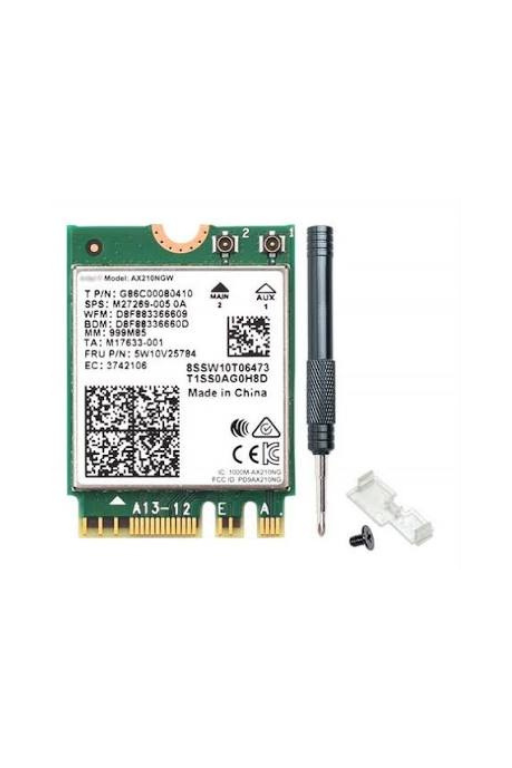
AX210NGW Wi-Fi 6E Wireless Network Card is a compact M.2 2230 wireless adapter designed to upgrade compatible laptops and PCs with fast tri-band Wi-Fi 6E connectivity across 2.4GHz, 5GHz, and 6GHz, plus integrated Bluetooth. With 2×2 MU-MIMO, 160MHz channel support, up to 2.4Gbps theoretical Wi-Fi speed, and PCIe/USB connectivity, it is well suited for high-speed networking, streaming, gaming, remote work, and everyday wireless connectivity.
Quick View -
Cisco 24-Port Switch
Read more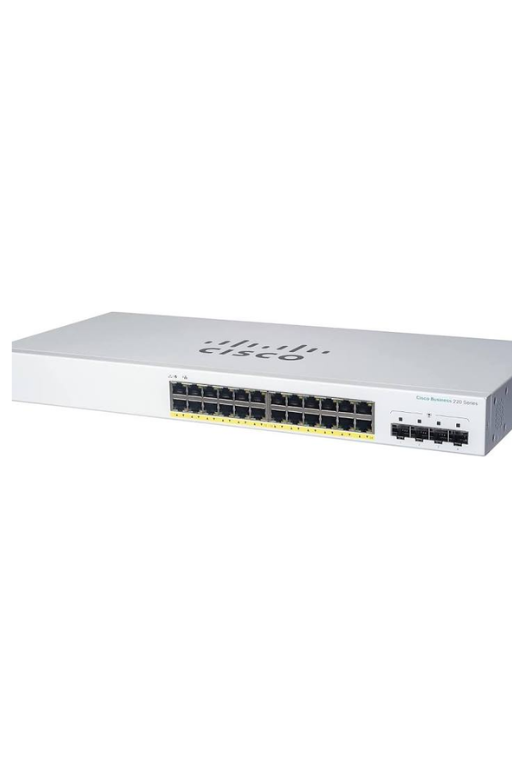
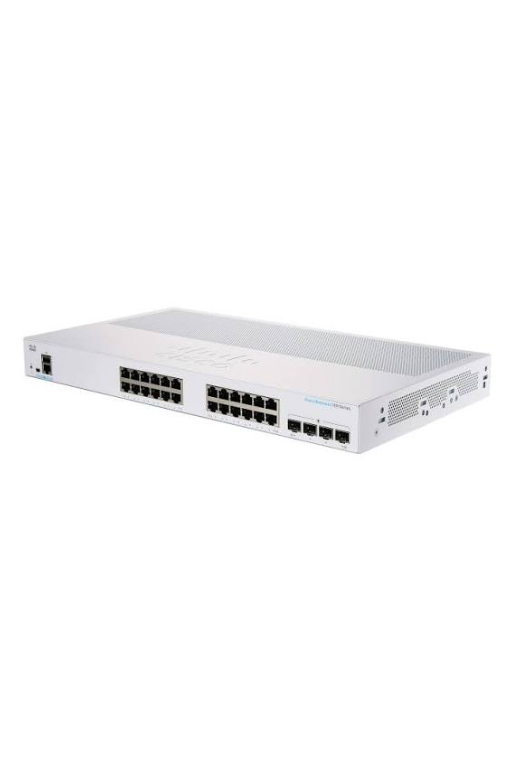
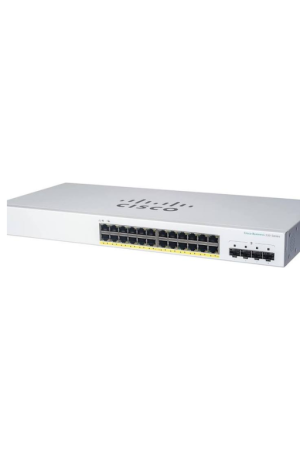
Cisco 24-Port Switch is a professional enterprise networking solution designed to provide reliable, high-performance wired connectivity for business networks, branch offices, server rooms, and campus environments. With 24 Ethernet ports and Cisco’s enterprise networking platform, it provides a scalable foundation for connecting computers, access points, IP phones, printers, servers, and other network devices. Depending on the specific model, Cisco 24-port switches are available in data-only, PoE+, and multi-gigabit configurations with different uplink and management options.
Quick View -
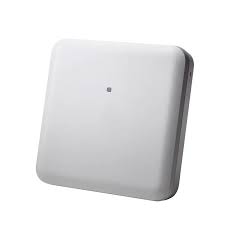
Cisco AIR-AP1852I-I-K9 Aironet 1850 Series Access Point
Read more Cisco AIR-AP1852I-I-K9 Aironet 1850 Series Wireless Access Point
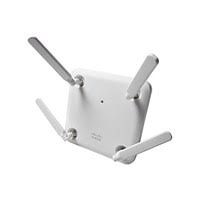
The Cisco Aironet AIR-AP1852I-I-K9 is a high-performance dual-band enterprise wireless access point featuring 802.11ac Wave 2, 4×4 MIMO, four spatial streams, and integrated omnidirectional antennas. Designed for indoor enterprise environments, it delivers up to 1.7 Gbps on the 5 GHz radio and supports advanced technologies such as MU-MIMO, transmit beamforming, Cisco FlexConnect, and Mobility Express for scalable, reliable wireless connectivity.
Quick View -
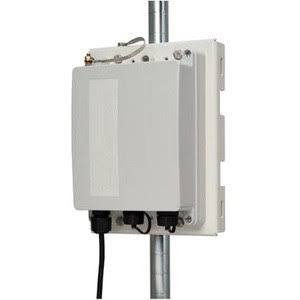
Cisco AIR-PWRINJ-60RGD2 60W Outdoor PoE Power Injector
Read more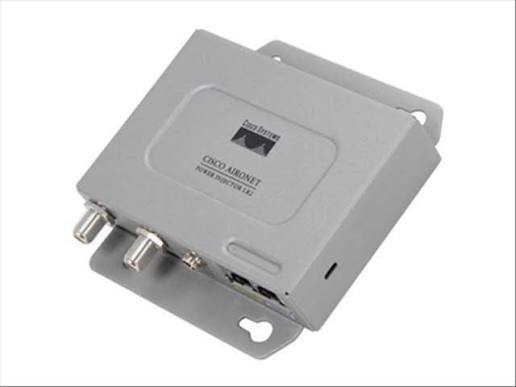
Cisco AIR-PWRINJ-60RGD2 60W Outdoor PoE Power Injector
The Cisco AIR-PWRINJ-60RGD2 is a rugged 60W outdoor-rated Power over Ethernet (PoE) injector designed to deliver both power and Ethernet data to compatible Cisco wireless access points over a single Ethernet cable. Featuring 90–264 VAC input, 55 VDC output, IEEE 802.3af/802.3at support, IP66 and NEMA 4X protection, and an international unterminated AC cable, it is ideal for demanding outdoor wireless deployments.
Quick View