


Huawei-FusionServer 5600 V5
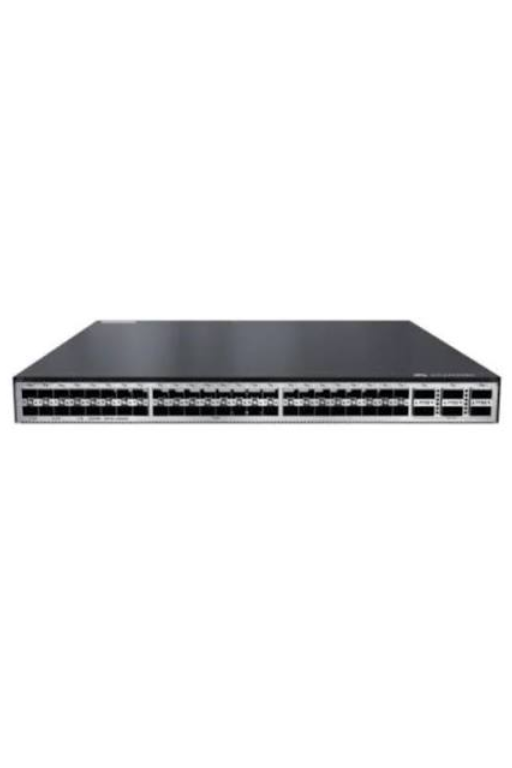
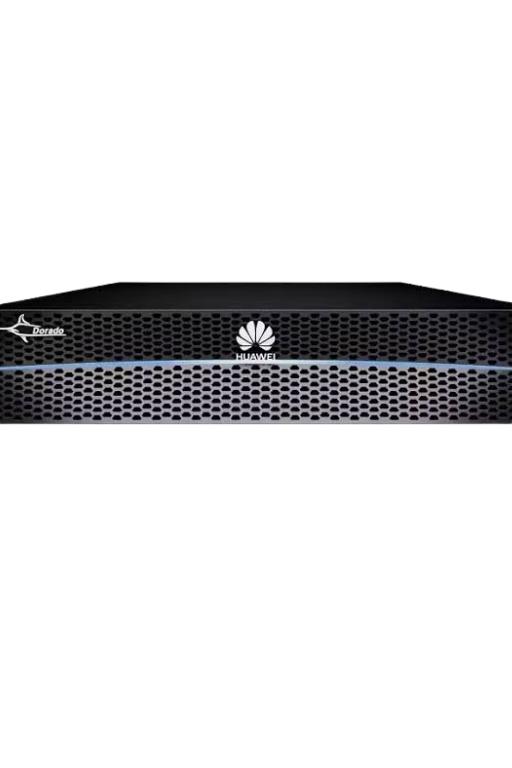
The Huawei FusionServer 5600 V5 is a high-performance 4U four-socket enterprise rack server designed for demanding data-center workloads such as large-scale databases, virtualization, cloud computing, high-performance computing, big-data analytics, and mission-critical enterprise applications. It combines Intel Xeon Scalable processing, high-capacity DDR4 memory, flexible storage, extensive PCIe expansion, and enterprise-grade management.
Description
The Huawei FusionServer 5600 V5 is an enterprise-class 4U four-socket rack server engineered for organizations requiring high computing density, substantial memory capacity, and extensive I/O capabilities. Its four-socket architecture provides a significant amount of processing capacity within a single server, making it suitable for large-scale and highly parallel workloads.
The platform supports Intel Xeon Scalable processors, allowing organizations to configure multiple high-core-count CPUs for demanding applications. This architecture is well suited to virtualization, large databases, enterprise resource planning, analytics, scientific computing, and other compute-intensive workloads.
The FusionServer 5600 V5 provides extensive DDR4 ECC memory support, enabling large memory configurations for virtual machines, databases, in-memory applications, and data analytics. ECC memory improves data integrity and reliability for continuous enterprise operation.
Storage can be configured using SAS, SATA, and SSD technologies, depending on the selected chassis and backplane. The platform provides flexibility to prioritize either high-capacity storage or high-performance I/O. Supported hardware RAID controllers can provide data redundancy and storage-management functionality.
The server offers extensive PCIe expansion capability for high-speed Ethernet adapters, Fibre Channel HBAs, RAID controllers, storage adapters, GPUs, and other specialized expansion hardware. This makes the platform adaptable to enterprise networking, storage, HPC, and accelerated-computing environments.
The 4U chassis provides sufficient space for high-performance cooling and redundant infrastructure. Supported configurations include hot-swappable drives, redundant fans, and redundant hot-swappable power supplies, helping reduce downtime and simplify maintenance.
Huawei’s integrated iBMC management controller provides remote hardware monitoring, diagnostics, configuration, firmware management, and out-of-band administration.
Key Specifications
| Feature | Specification |
|---|---|
| Product | Huawei FusionServer 5600 V5 |
| Product Type | High-Performance Enterprise Rack Server |
| Form Factor | 4U |
| CPU Configuration | Four-socket |
| Processor | Intel Xeon Scalable |
| CPU Sockets | 4 |
| Memory | DDR4 ECC RDIMM / LRDIMM |
| Memory Capacity | Configuration dependent |
| Storage | SAS / SATA / SSD |
| Drive Form Factor | Configuration dependent |
| RAID | Hardware RAID, configuration dependent |
| Expansion | Multiple PCIe expansion slots |
| Networking | Gigabit / 10GbE / higher-speed options |
| GPU Support | Supported configurations |
| Power Supply | Redundant hot-swappable options |
| Cooling | Redundant hot-swappable fan modules |
| Management | Huawei iBMC |
| Operating Systems | Windows Server / Linux / VMware, configuration dependent |
| Chassis | 4U rack-mounted |
Key Features & Benefits
- 4U four-socket enterprise server
- Intel Xeon Scalable processor support
- High-capacity DDR4 ECC memory
- Designed for compute-intensive workloads
- Flexible SAS/SATA/SSD storage
- Hardware RAID options
- Extensive PCIe expansion
- High-speed network adapter support
- GPU/accelerator support on applicable configurations
- Redundant hot-swappable power supplies
- Hot-swappable storage
- Redundant cooling
- Huawei iBMC remote management
- High-density enterprise computing
- Designed for mission-critical data-center environments
Recommended Applications
The Huawei FusionServer 5600 V5 is suitable for:
- Enterprise Data Centers
- High-Performance Computing
- Large-Scale Virtualization
- Database Infrastructure
- In-Memory Databases
- Big Data Analytics
- Cloud Computing
- Scientific Computing
- ERP / Enterprise Applications
- Financial Applications
- GPU-Accelerated Workloads
- Mission-Critical Infrastructure
Related products
-

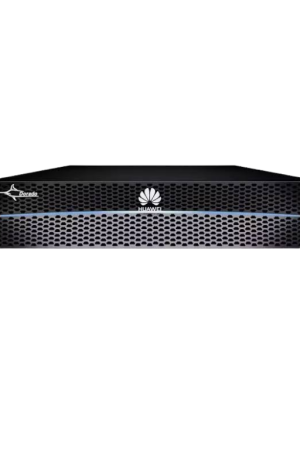
Huawei-FusionServer Kunpeng 5300 V5
Read more The Huawei FusionServer Kunpeng 5300 V5 is a high-performance 2U ARM-based enterprise rack server powered by Huawei Kunpeng processors. Designed for cloud computing, virtualization, databases, big-data analytics, and enterprise applications, it combines high-density processing, DDR4 memory, flexible storage, high-speed networking, and enterprise-grade management.
Quick View -
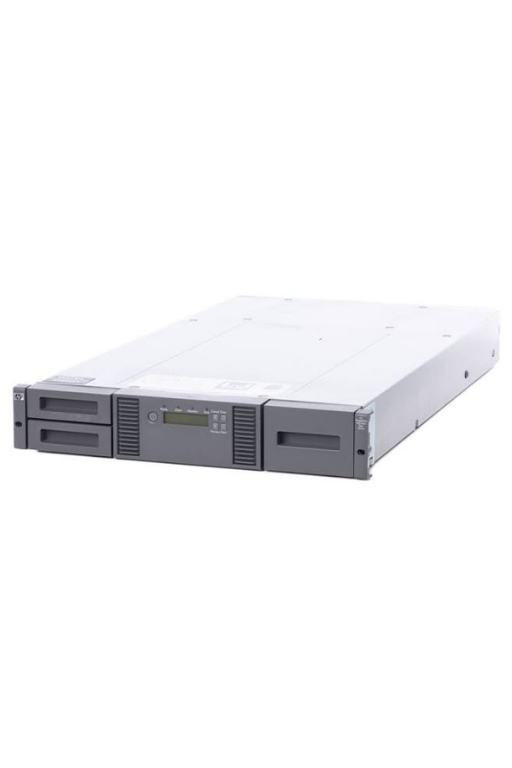
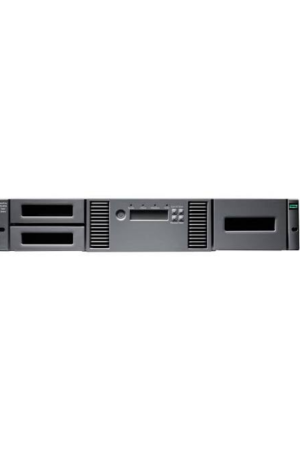
HPE StoreEver MSL2024
$ 2,856.36 Excluding VAT Add to cart $ 2,856.36 Excluding VAT
The HPE Storage MSL2024 is an enterprise automated tape library designed for reliable backup, archiving, and long-term data protection. It provides 24 tape slots, supports up to 2 tape drives, and supports LTO technology including LTO-7, LTO-8, and LTO-9 in current-generation configurations. With LTO-9 media, it can provide up to 432 TB native capacity or 1.08 PB compressed capacity.
Quick View -

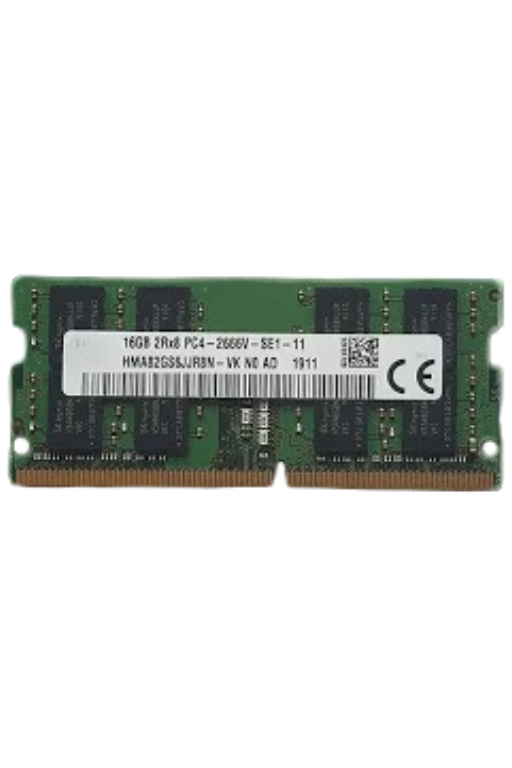
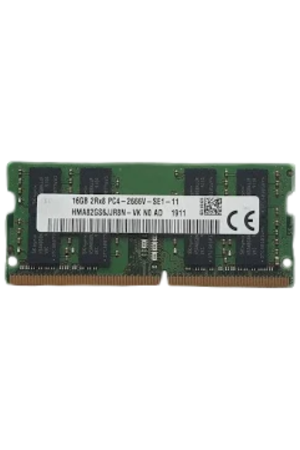
Kingston ValueRAM 16GB DDR4 2666MHz SODIMM
Read more
Upgrade your laptop or small-form-factor system with the Kingston ValueRAM 16GB DDR4 2666MHz SODIMM (KVR26S19D8/16). Engineered to industry-standard JEDEC specifications, this high-performance 2Rx8 dual-rank memory module operates at 1.2V with CL19 timing, delivering reliable speed, efficient power consumption, and seamless multitasking for notebooks, mini PCs, and workstations.
Quick View -
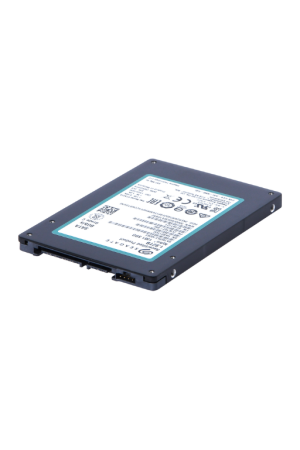
Seagate-1.92TB Enterprise SSD
Read more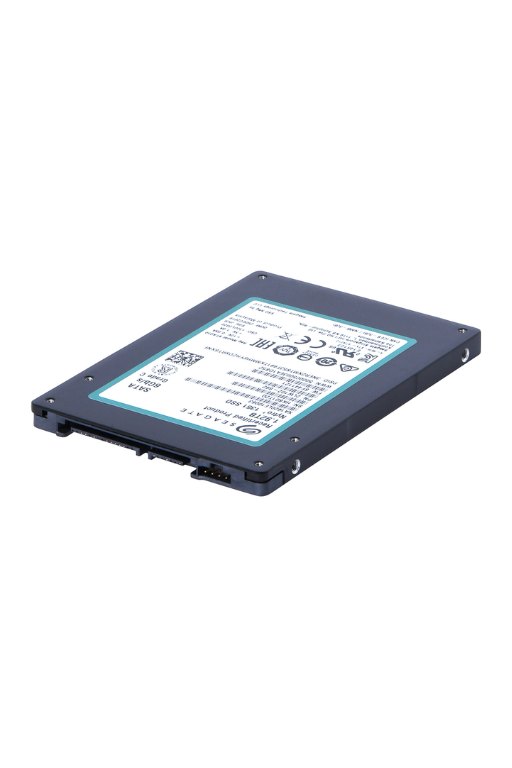
The Seagate 1.92TB Enterprise SSD is a high-capacity solid-state storage solution designed for enterprise servers, data centers, virtualization platforms, databases, and professional workloads. It provides fast data access, low latency, high endurance, and reliable performance for demanding 24/7 storage environments.
Quick View
