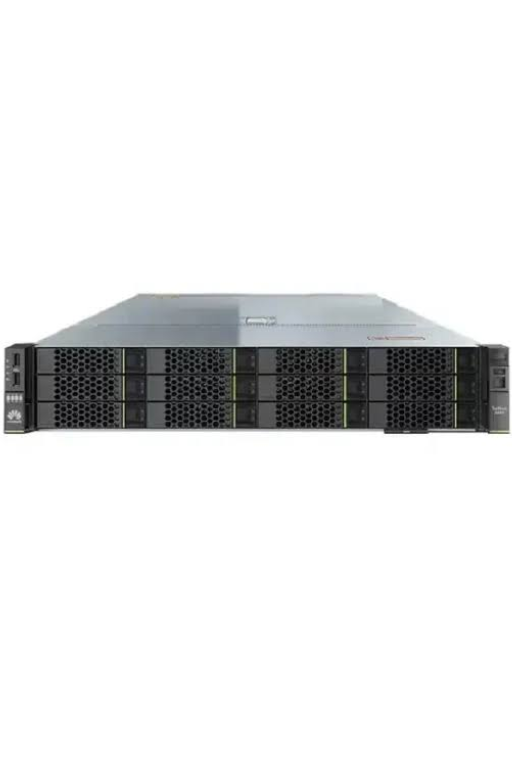
Huawei-TaiShan 200 5280
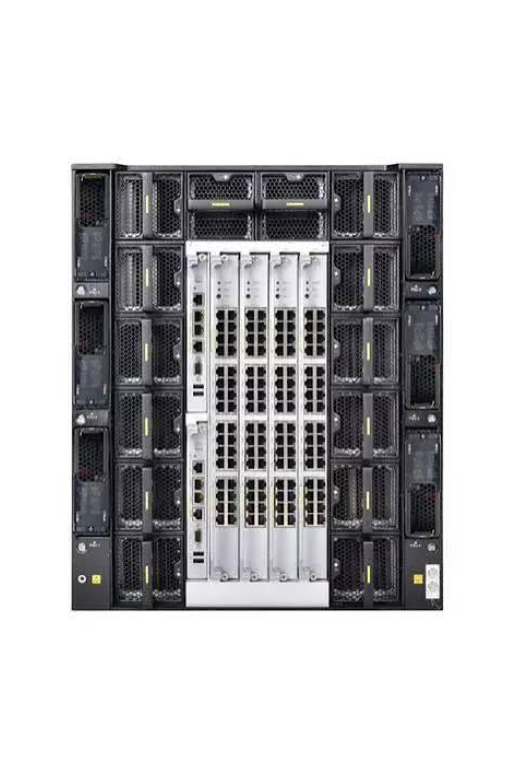
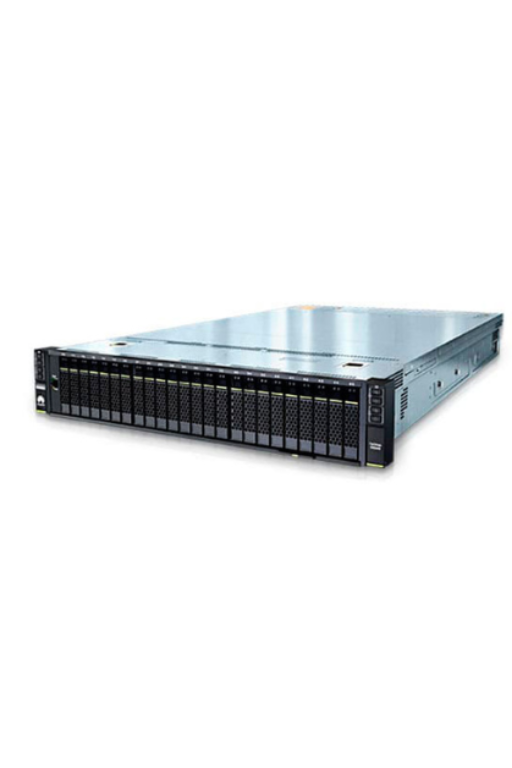
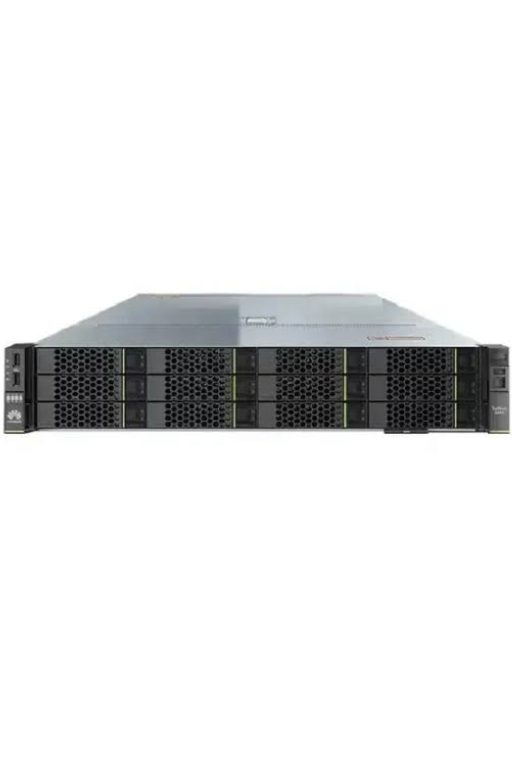
The Huawei TaiShan 200 5280 is a high-performance 5U enterprise rack server designed for demanding data-center workloads, including virtualization, cloud computing, databases, big-data analytics, high-performance computing, and large-scale storage. It combines Huawei Kunpeng processor technology with high memory capacity, extensive storage support, PCIe expansion, and enterprise-grade management.
Description
The Huawei TaiShan 200 5280 is an enterprise-class rack server designed for organizations requiring substantial computing, storage, and expansion capabilities in a single platform. Its 5U chassis provides considerable internal space for storage devices, PCIe expansion cards, networking hardware, and other data-center components.
The platform is based on Huawei’s Kunpeng ARM processor architecture, supporting the Kunpeng 920 processor family. Depending on the installed processor configuration, the platform can provide a high number of CPU cores and strong parallel-processing capability for cloud-native workloads, distributed applications, databases, analytics, and other enterprise environments.
The TaiShan 200 5280 supports high-capacity DDR4 ECC registered memory, making it suitable for memory-intensive workloads such as large databases, virtualization environments, in-memory analytics, and enterprise applications. The large chassis and scalable architecture allow organizations to configure the system according to specific workload requirements.
Storage is a key capability of the TaiShan 200 5280. Its large chassis supports extensive SAS and SATA HDD/SSD storage, with selected configurations supporting NVMe SSDs for applications requiring high I/O performance and low latency. RAID controllers can be deployed to provide storage redundancy and improve availability.
The server provides multiple PCIe expansion slots, allowing installation of high-speed Ethernet adapters, Fibre Channel HBAs, RAID controllers, storage adapters, accelerators, and other specialized hardware. This makes the platform suitable for infrastructure environments where expansion and future scalability are important.
For enterprise availability and serviceability, supported configurations provide redundant and hot-swappable components, including power supplies and storage drives. Huawei’s iBMC management controller enables administrators to remotely monitor system health, configure hardware, perform diagnostics, and manage the server.
Key Specifications
| Feature | Specification |
|---|---|
| Product | Huawei TaiShan 200 5280 |
| Product Type | Enterprise Rack Server |
| Form Factor | 5U Rack |
| Processor Platform | Huawei Kunpeng |
| Processor Family | Kunpeng 920 |
| CPU Architecture | ARM 64-bit |
| Processor Cores | High-core-count configurations, model dependent |
| Memory | DDR4 ECC RDIMM |
| Memory Capacity | Configuration dependent |
| Storage | SAS / SATA HDD & SSD |
| NVMe | Supported on selected configurations |
| Drive Form Factor | Configuration dependent |
| RAID | Hardware RAID, configuration dependent |
| Expansion | Multiple PCIe expansion slots |
| Networking | Gigabit / 10GbE / higher-speed options |
| Power Supply | Redundant hot-swappable options |
| Management | Huawei iBMC |
| Operating Systems | EulerOS / Linux and other ARM-compatible platforms |
| Chassis | 5U enterprise rack chassis |
Key Features & Benefits
- 5U enterprise rack-server design
- Huawei Kunpeng ARM processor platform
- High-core-count processing options
- Large DDR4 ECC memory capacity
- Extensive internal storage capability
- SAS/SATA HDD and SSD support
- NVMe SSD support on selected configurations
- Hardware RAID options
- Multiple PCIe expansion slots
- High-speed network adapter support
- Redundant and hot-swappable components
- Huawei iBMC remote management
- Designed for demanding data-center workloads
- Strong scalability for storage and expansion
Recommended Applications
The TaiShan 200 5280 is suitable for:
- Enterprise Data Centers
- Cloud Computing
- Server Virtualization
- Large-Scale Databases
- Big Data Analytics
- High-Performance Computing
- Distributed Computing
- Cloud-Native Applications
- Enterprise Application Hosting
- Large-Scale Storage
- AI and Accelerated Computing
- ARM-Based Enterprise Infrastructure
Related products
-

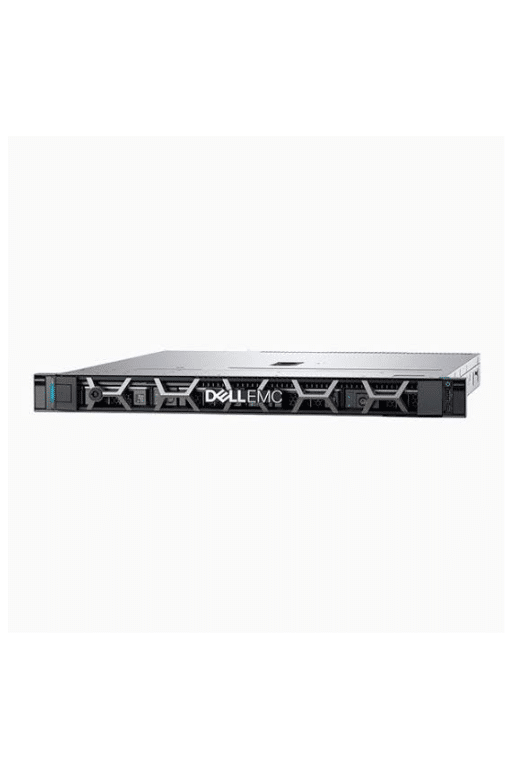
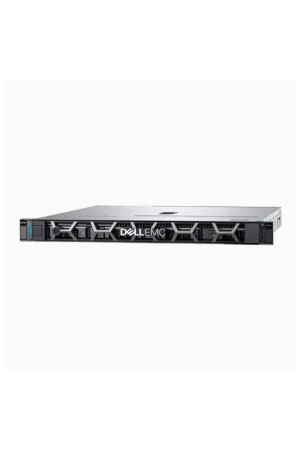
Dell PowerEdge R240 1U Rack Server
Read more

Dell PowerEdge R240 is a compact 1U entry-level rack server designed for small businesses, web hosting, remote offices, and multipurpose business applications. It supports a single Intel Xeon E-2200 series processor, up to 64GB DDR4 UDIMM memory, up to four internal drives, dual 1GbE networking, PCIe Gen 3 expansion, and iDRAC9 remote management.
Quick View -
Dell PowerEdge R250 1U Rack Server
Read more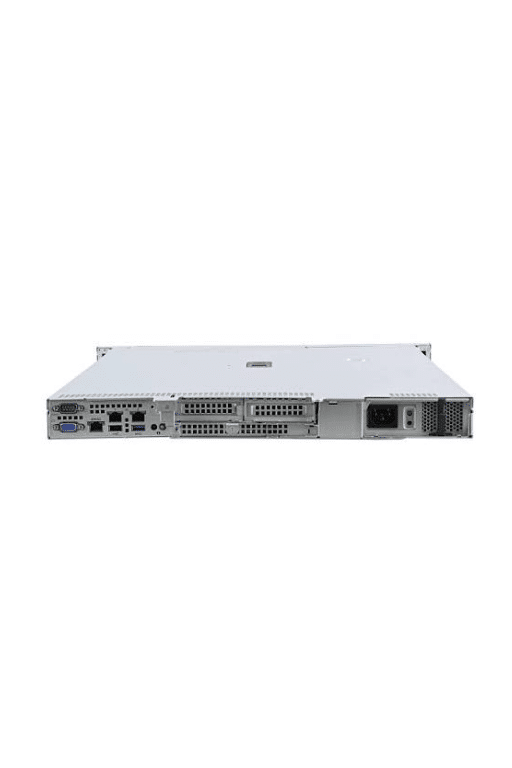
Dell PowerEdge R250 is a compact 1U single-socket rack server designed for small and medium-sized businesses, branch offices, web hosting, file services, and general business applications. It supports an Intel Xeon E-2300 series processor with up to 8 cores, up to 128GB DDR4 ECC UDIMM memory, up to four 3.5-inch drives, dual 1GbE networking, PCIe Gen 4 expansion, and iDRAC9 remote management.
Quick View -

Dell EMC PowerEdge R450
Read more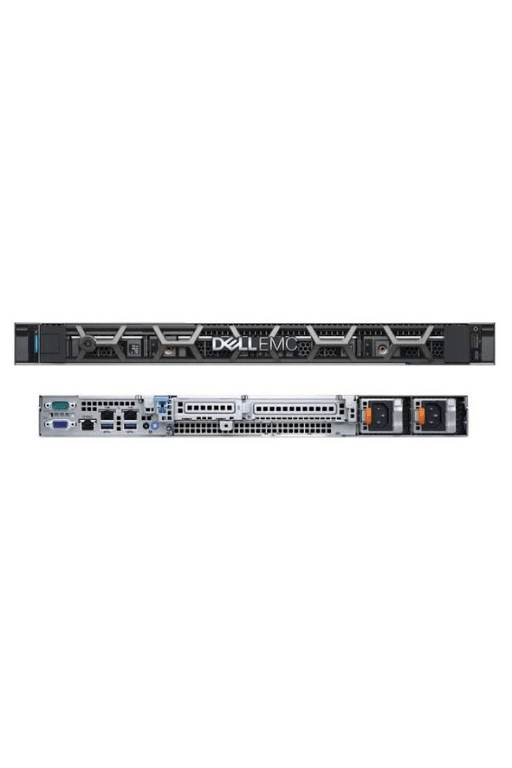
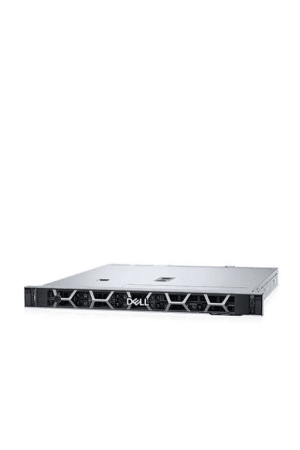
The Dell EMC PowerEdge R450 is a powerful 1U dual-socket rack server designed for virtualization, databases, web hosting, business applications, scale-out infrastructure, and other demanding workloads. It supports up to two 3rd Generation Intel Xeon Scalable processors with up to 24 cores per processor, up to 1TB DDR4 ECC RDIMM memory, flexible 2.5-inch or 3.5-inch SAS/SATA storage, PCIe Gen 4 expansion, redundant hot-swappable power supplies, and iDRAC9 for comprehensive remote management.
Quick View -

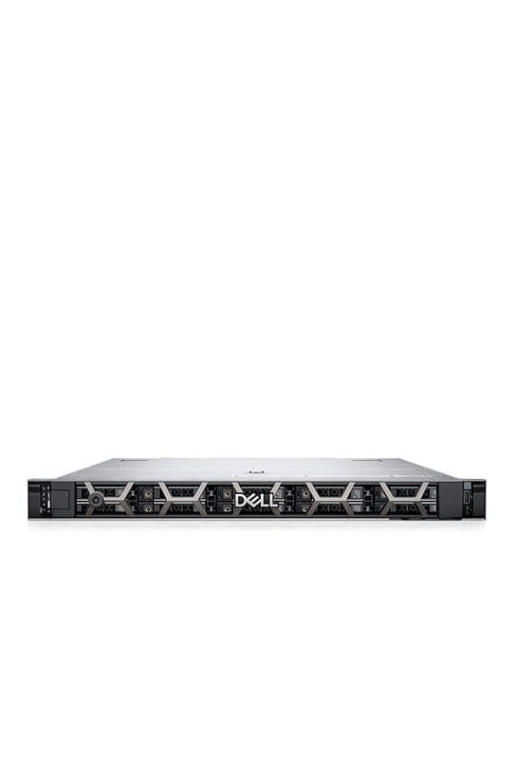
Dell PowerEdge R6625
Read more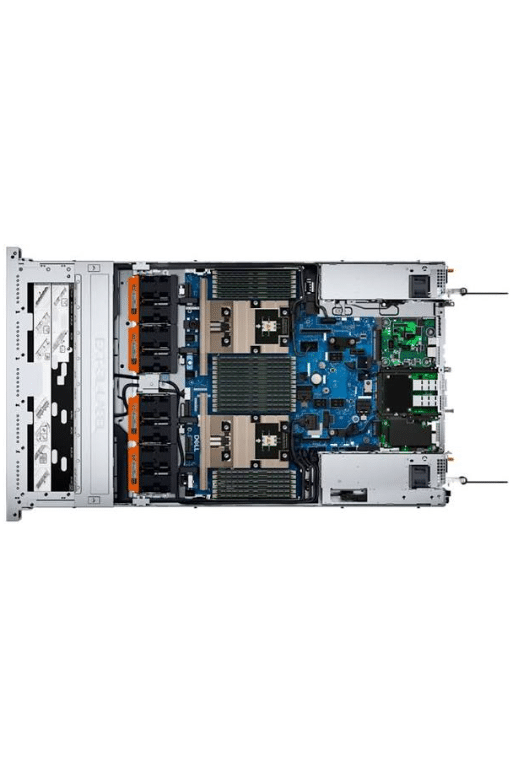
The Dell PowerEdge R6625 is a high-density 1U dual-socket enterprise rack server powered by AMD EPYC 4th Generation 9004 Series processors. Designed for demanding workloads such as high-performance computing (HPC), virtualization, VDI, databases, data warehouses, eCommerce, and data-intensive applications, the R6625 combines high core density, DDR5 memory, PCIe Gen 5 connectivity, flexible SAS/SATA/NVMe storage, optional GPU acceleration, and advanced Dell management technologies.
Quick View