


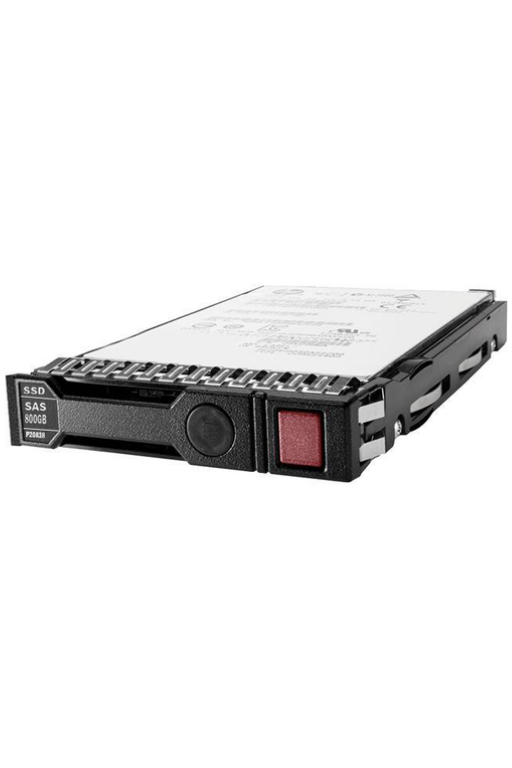

HP P20838-001
The HP P20838-001 is a 5-pack of 800GB 2.5-inch SAS 12Gb/s Mixed-Use Dual-Port Solid State Drives (SSDs) designed for compatible HP Enterprise Gen8–Gen10 servers and storage platforms. It provides high-speed enterprise storage, reliable dual-port connectivity, and balanced performance for virtualization, databases, and demanding business applications.
Description
The HP P20838-001 is an enterprise-grade SSD solution consisting of five 800GB 2.5-inch SAS solid-state drives designed for use in compatible HP Enterprise server and storage environments.
Each drive provides 800GB of storage capacity and uses a 12Gb/s SAS interface, delivering high-speed connectivity and low-latency storage performance compared with traditional mechanical hard drives. The Mixed-Use (MU) classification makes these SSDs suitable for workloads involving a combination of read and write operations.
The drives feature Dual-Port SAS connectivity, allowing supported enterprise storage architectures to provide redundant paths to the storage device. This can improve availability and support high-availability configurations when used with compatible controllers and infrastructure.
The P20838-001 is designed for compatible HP Enterprise Gen8 through Gen10 platforms and uses a 2.5-inch small form factor (SFF) design, making it suitable for server environments where storage density and performance are important.
The five-drive package provides a combined 4TB raw capacity before formatting, RAID configuration, or other storage overhead.
Key Specifications
| Feature | Specification |
|---|---|
| Brand | HP |
| Part Number | P20838-001 |
| Product Type | Enterprise SAS SSD 5-Pack |
| Drive Quantity | 5 SSDs |
| Capacity per Drive | 800GB |
| Total Raw Capacity | 4TB |
| Form Factor | 2.5-inch SFF |
| Interface | SAS |
| Interface Speed | 12Gb/s |
| Drive Type | Solid State Drive |
| Workload Type | Mixed Use (MU) |
| Port Configuration | Dual Port |
| Compatibility | HP Enterprise Gen8–Gen10* |
| Primary Application | Enterprise Server / Storage |
*Compatibility should be verified against the specific server model, drive cage/backplane, controller, firmware, and supported drive options.
Key Features & Benefits
- 5 × 800GB enterprise SSDs
- 4TB total raw capacity
- 2.5-inch SFF design
- High-speed 12Gb/s SAS interface
- Dual-Port SAS connectivity
- Mixed-Use workload classification
- Designed for enterprise server environments
- Suitable for read/write-intensive business workloads
- High-speed data access and low storage latency
- Suitable for RAID configurations
- Designed for compatible HP Gen8–Gen10 infrastructure
- Ideal for server upgrades and storage expansion
Enterprise Storage Performance
The 12Gb/s SAS interface provides high-bandwidth connectivity between the SSD and compatible enterprise storage controller. SAS technology also supports enterprise features such as dual-port connectivity and redundant storage paths.
The Mixed-Use classification makes these drives suitable for environments where applications generate both read and write activity, including:
- Database workloads
- Virtualization
- Enterprise applications
- Transaction processing
- File and application servers
- General server storage
Dual-Port SAS
Dual-port SAS provides two independent SAS paths to a compatible drive. When supported by the server and storage architecture, this can provide:
- Redundant connectivity
- Improved availability
- Failover capability
- Flexible enterprise storage configurations
Actual redundancy and failover behavior depend on the installed SAS controller, backplane, server configuration, and storage architecture.
Recommended Applications
- Enterprise Servers
- Virtualization Hosts
- Database Servers
- Application Servers
- File Servers
- Business-Critical Applications
- RAID Storage Arrays
- Data Center Storage
- Server Storage Upgrades
- High-Availability Storage Environments
Package Configuration
Package: 5 × 800GB SSDs
Capacity per SSD: 800GB
Combined Raw Capacity: 4TB
Actual usable capacity will vary depending on formatting, RAID level, filesystem overhead, and storage configuration.
Related products
-
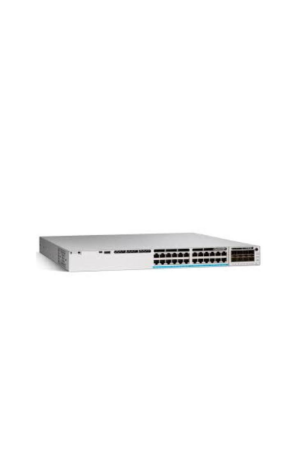
Cisco C9300X-24HX-E Catalyst 9300 24-Port 10G/mGig UPOE+ Switch
Read more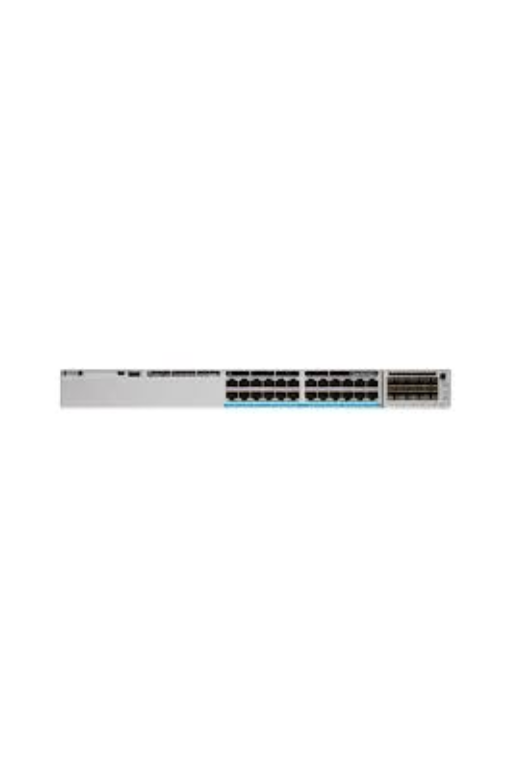
Cisco C9300X-24HX-E Catalyst 9300 Series Switch is a high-performance, stackable enterprise switch featuring 24 x 10G multigigabit copper ports with Cisco UPOE+, supporting speeds from 100 Mbps up to 10 Gbps and delivering up to 90W of power per port. Designed for secure high-speed wired and wireless access, it supports modular uplinks, StackWise-1T, StackPower+, and Cisco IOS XE, making it ideal for demanding enterprise, campus, IoT, and smart-building deployments.
Quick View -


Lenovo ThinkPad T14 Gen 3 Business Laptop
Read more Lenovo ThinkPad T14 Gen 3 – Intel® Core™ i7-1260P, 16GB RAM, 512GB SSD, 14″ WUXGA, Windows 10 Pro
Boost your productivity with the Lenovo ThinkPad T14 Gen 3, a premium business laptop powered by the 12th Gen Intel® Core™ i7-1260P processor, 16GB DDR4 memory, and a fast 512GB PCIe NVMe SSD. Featuring a vibrant 14-inch WUXGA (1920×1200) IPS display, Intel® Iris® Xe Graphics, a backlit keyboard, fingerprint reader, and Windows 10 Pro, this lightweight ThinkPad is built for professionals who demand performance, security, and reliability.
Quick View -
QLogic 7023303 Dual-Port 16Gb Fibre Channel / 10Gb FCoE Host Bus Adapter
Read more QLogic 7023303 Dual-Port 16Gb Fibre Channel / 10Gb FCoE Host Bus Adapter
The QLogic 7023303 is a high-performance dual-port Host Bus Adapter designed for enterprise SAN and data-center environments. It delivers up to 16Gbps Fibre Channel or 10Gbps Fibre Channel over Ethernet (FCoE) connectivity through two SFP+ ports and a PCI Express x8 host interface, providing flexible, high-bandwidth server-to-storage connectivity.
Quick View -

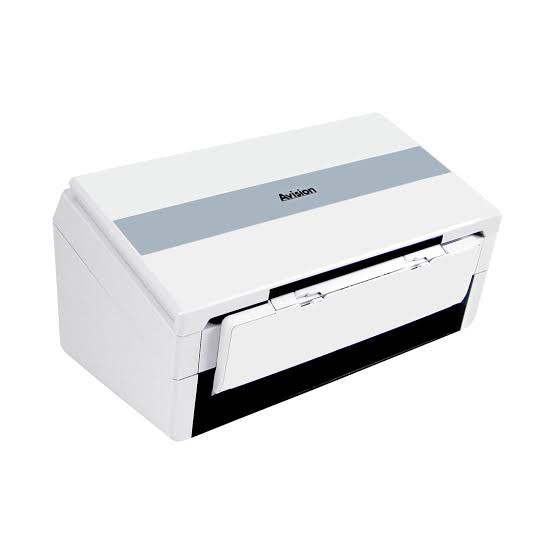
Avision AD230 Document Scanner
Read more
Avision AD230 Document Scanner
The Avision AD230 Series is a fast and reliable duplex document scanner designed for efficient business document digitization. With scanning speeds of up to 40 pages per minute, advanced paper-feeding technology, and a reverse roller mechanism, it is well suited for scanning documents, business cards, plastic ID cards, and heavier card stock while maintaining dependable paper handling.
Quick View
