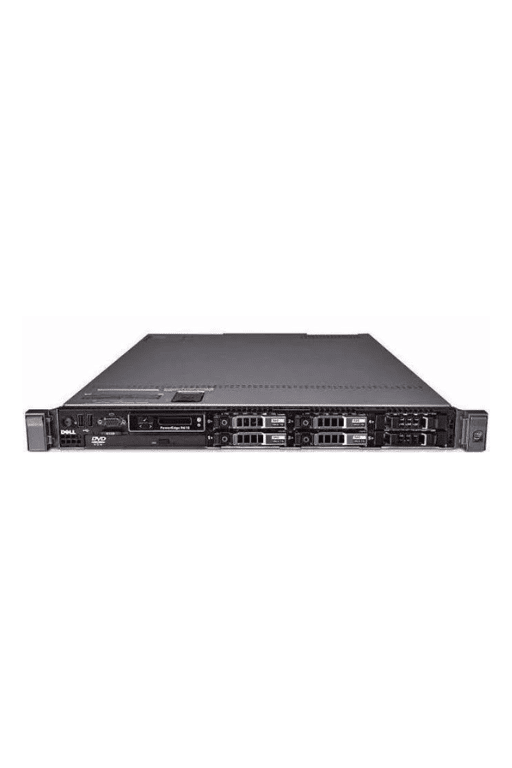
Dell PowerEdge R6615
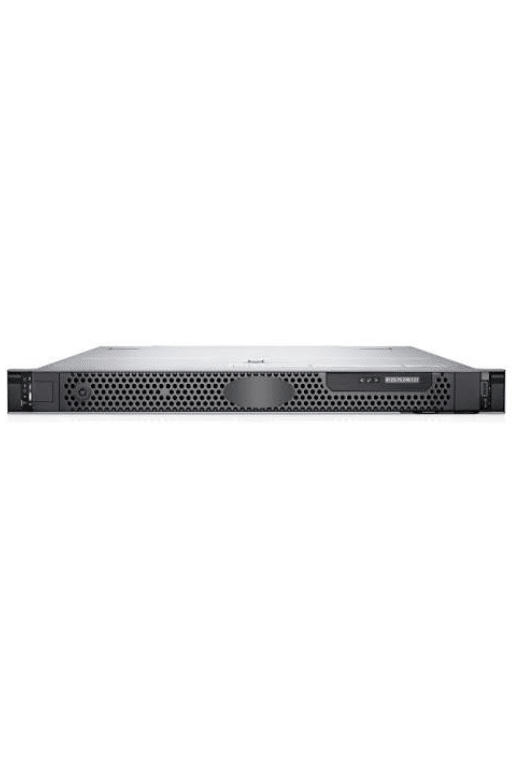
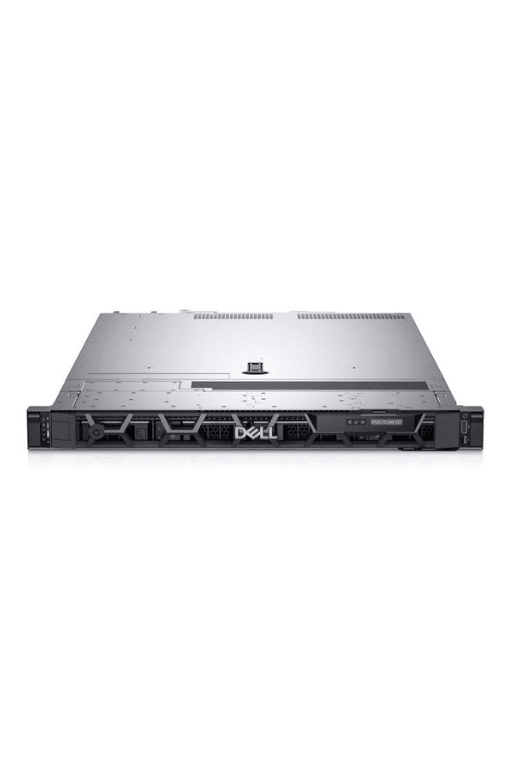
The Dell PowerEdge R6615 is a high-performance 1U single-socket enterprise rack server powered by AMD EPYC 9004 Series processors. Designed for demanding workloads such as virtualization, high-performance computing, AI/ML, cloud infrastructure, databases, analytics, and software-defined storage, the R6615 combines high core density, DDR5 memory, PCIe Gen 5 connectivity, flexible NVMe/SAS/SATA storage, advanced RAID, and iDRAC9 management in a compact 1U chassis.
Description
The Dell PowerEdge R6615 is an advanced-generation 1U single-socket rack server designed for organizations that require exceptional compute density and high-speed I/O while maintaining efficient rack-space utilization.
Powered by the AMD EPYC 9004 Series processor platform, the R6615 delivers substantial CPU core density and memory bandwidth through a modern DDR5 architecture. Its single-socket design provides an efficient platform for workloads that can take advantage of a large number of CPU cores without requiring a dual-socket system.
The R6615 combines DDR5 memory, PCIe Gen 5 expansion, high-speed NVMe storage, flexible networking, enterprise RAID, advanced security, and iDRAC9 management, making it suitable for modern data-center environments.
Key Features
- Brand: Dell
- Model: PowerEdge R6615
- Form Factor: 1U Rack Server
- CPU Sockets: 1
- Processor: AMD EPYC 9004 Series
- Memory: DDR5 ECC
- Memory Slots: 12 × DDR5 DIMM
- Maximum Memory: Up to 3TB, configuration dependent
- Memory Speed: Up to 4800 MT/s, configuration dependent
- Storage: NVMe / SAS / SATA, configuration dependent
- Drive Options: 2.5-inch and selected storage configurations
- RAID: Dell PERC / HBA options
- Boot Storage: BOSS-N1, configuration dependent
- Expansion: PCIe Gen 5
- Networking: OCP 3.0 / PCIe network adapters
- Remote Management: iDRAC9 with Lifecycle Controller
- Security: Secure Boot, Silicon Root of Trust, TPM 2.0 and AMD security technologies
- Power: Redundant hot-plug power supplies
- Primary Applications: HPC, Virtualization, AI/ML, Databases, Cloud & Enterprise Applications
AMD EPYC 9004 Processing
The PowerEdge R6615 uses a single AMD EPYC 9004 Series processor.
AMD EPYC 9004 processors provide high core density and substantial memory bandwidth, making the R6615 particularly suitable for workloads that benefit from large numbers of CPU cores.
Ideal applications include:
- High-performance computing
- Virtualization
- Cloud computing
- AI and machine learning
- Data analytics
- Database applications
- Software-defined storage
- Enterprise application hosting
The single-socket architecture can also provide an efficient alternative to dual-socket platforms for appropriately designed workloads.
DDR5 Memory
The R6615 uses modern DDR5 ECC memory, providing higher memory bandwidth than previous-generation DDR4 platforms.
The server provides 12 DDR5 DIMM slots and can support large memory configurations, depending on the installed processor and DIMMs.
High memory bandwidth is particularly valuable for:
- HPC
- Databases
- Analytics
- Virtualization
- AI/ML
- Scientific computing
- Memory-intensive applications
ECC memory helps provide the reliability and data integrity expected in enterprise server environments.
High-Speed NVMe Storage
The R6615 supports modern high-performance storage configurations, including NVMe SSDs.
NVMe storage is ideal for workloads requiring:
- Very low storage latency
- High IOPS
- High sequential throughput
- Fast database transactions
- Rapid virtualization storage
- High-performance analytics
Depending on configuration, SAS and SATA storage options may also be available.
PCIe Gen 5 Expansion
One of the major advantages of the R6615 is its support for PCIe Gen 5.
PCIe Gen 5 provides high-bandwidth connectivity for modern enterprise hardware such as:
- High-speed network adapters
- NVMe storage
- Fibre Channel HBAs
- Storage controllers
- GPU/accelerator hardware
- Other PCIe expansion devices
This makes the R6615 suitable for modern I/O-intensive data-center environments.
Enterprise Networking
The R6615 supports flexible high-speed networking through OCP 3.0 and PCIe-based adapters.
Depending on the selected configuration, networking options can include:
- 1GbE
- 10GbE
- 25GbE
- 100GbE
- Other high-speed Ethernet configurations
Network interfaces can be dedicated to:
- Production
- Management
- Storage
- Backup
- Virtualization
RAID and Storage Controllers
The R6615 supports Dell enterprise storage-controller and HBA options.
Depending on the configuration, storage protection can include:
- Hardware RAID
- Software RAID
- HBA/JBOD configurations
- NVMe direct-attached storage
RAID configurations can provide:
- Data redundancy
- Drive fault tolerance
- Improved storage availability
- Storage performance optimization
The exact controller depends on the R6615 configuration.
BOSS-N1 Boot Storage
Supported configurations can use Dell’s Boot Optimized Storage Solution N1 (BOSS-N1).
Dedicated boot storage allows the operating system to run from separate boot devices while preserving the main drive bays for application and data storage.
This can be particularly useful for:
- Virtualization hosts
- Database servers
- Cloud infrastructure
- Software-defined storage
iDRAC9 Remote Management
The Dell Integrated Dell Remote Access Controller 9 (iDRAC9) provides out-of-band remote server management.
Administrators can remotely:
- Monitor system health
- View hardware inventory
- Configure hardware
- Manage firmware
- Control server power
- Troubleshoot hardware
- Deploy operating systems
- Perform lifecycle management
Integration with Dell OpenManage tools enables centralized management across server environments.
Advanced Security
The R6615 incorporates Dell and AMD security technologies designed to protect the server and its workloads.
Depending on configuration, security capabilities include:
- Secure Boot
- Silicon Root of Trust
- TPM 2.0
- Secure firmware updates
- System Lockdown
- Secure Erase
- AMD Secure Memory Encryption
- AMD Secure Encrypted Virtualization
These technologies provide additional protection against unauthorized firmware changes and help protect sensitive workloads.
Redundant Hot-Plug Power
The R6615 supports redundant hot-plug power supply configurations.
Power requirements vary according to:
- Processor model
- Memory configuration
- Storage configuration
- PCIe cards
- Networking
- Accelerators
Redundant PSUs can improve availability and allow a failed power supply to be replaced without shutting down the server when supported by the configuration.
Compact 1U Design
The R6615 is built for 1U rack deployment, allowing organizations to maximize compute density.
Its compact design makes it suitable for:
- Data centers
- Cloud infrastructure
- Colocation
- HPC clusters
- AI infrastructure
- Virtualization clusters
- Enterprise server rooms
Ideal Applications
High-Performance Computing
The AMD EPYC 9004 platform provides high core density and memory bandwidth for compute-intensive workloads.
Virtualization
The R6615 can provide substantial CPU and memory resources for virtualization hosts and private-cloud environments.
AI & Machine Learning
PCIe Gen 5 provides high-bandwidth connectivity for supported accelerators and high-speed storage.
Databases
High CPU performance, DDR5 memory and NVMe storage make the R6615 suitable for demanding database workloads.
Cloud Infrastructure
Its 1U form factor and high compute density make the R6615 suitable for cloud and hyperscale-style deployments.
Software-Defined Storage
High-speed networking and NVMe storage provide a strong foundation for modern software-defined storage platforms.
Technical Specifications
| Specification | Details |
|---|---|
| Brand | Dell |
| Model | PowerEdge R6615 |
| Form Factor | 1U Rack Server |
| CPU Sockets | 1 |
| Processor Family | AMD EPYC 9004 Series |
| Memory Slots | 12 × DDR5 DIMM |
| Maximum Memory | Up to 3TB, configuration dependent |
| Memory Type | DDR5 ECC |
| Memory Speed | Up to 4800 MT/s, configuration dependent |
| Storage | NVMe / SAS / SATA |
| RAID | Dell PERC / HBA options |
| Boot Storage | BOSS-N1, configuration dependent |
| Expansion | PCIe Gen 5 |
| Networking | OCP 3.0 / PCIe adapters |
| Remote Management | iDRAC9 |
| Security | Secure Boot / Silicon Root of Trust / TPM 2.0 / AMD security |
| Power | Redundant hot-plug PSU options |
| Rack Height | 1U |
| Primary Applications | HPC, Virtualization, AI/ML, Databases, Cloud & Enterprise Applications |
Note: Exact processor model, maximum memory, storage-bay configuration, RAID controller, NVMe support, network adapters, accelerator support and PSU configuration depend on the specific R6615 SKU.
Key Benefits
Next-Generation AMD EPYC Performance: High core density from AMD EPYC 9004 processors provides powerful single-socket computing.
DDR5 Memory: Modern DDR5 technology delivers high memory bandwidth for demanding applications.
PCIe Gen 5: High-bandwidth expansion for next-generation networking, storage and accelerator hardware.
NVMe Ready: High-speed NVMe storage enables low-latency, high-throughput applications.
Single-Socket Efficiency: Delivers substantial compute capability without requiring a dual-CPU architecture.
Advanced Management: iDRAC9 simplifies remote monitoring, configuration and troubleshooting.
Enterprise Security: Dell and AMD security technologies help protect hardware, firmware and workloads.
1U Rack Density: High-performance computing in a compact data-center footprint.
Product Summary
The Dell PowerEdge R6615 is a modern 1U single-socket enterprise rack server designed for organizations requiring high compute density, high memory bandwidth, fast storage, and next-generation I/O.
With AMD EPYC 9004 Series processing, DDR5 ECC memory, PCIe Gen 5, NVMe storage, flexible networking, enterprise RAID/HBA options, BOSS-N1 boot storage, redundant power supplies, and iDRAC9 management, the R6615 is well suited for HPC, virtualization, AI/ML, cloud infrastructure, databases, analytics, software-defined storage, and other demanding enterprise workloads.
Related products
-

Dell PowerEdge R630
Read more
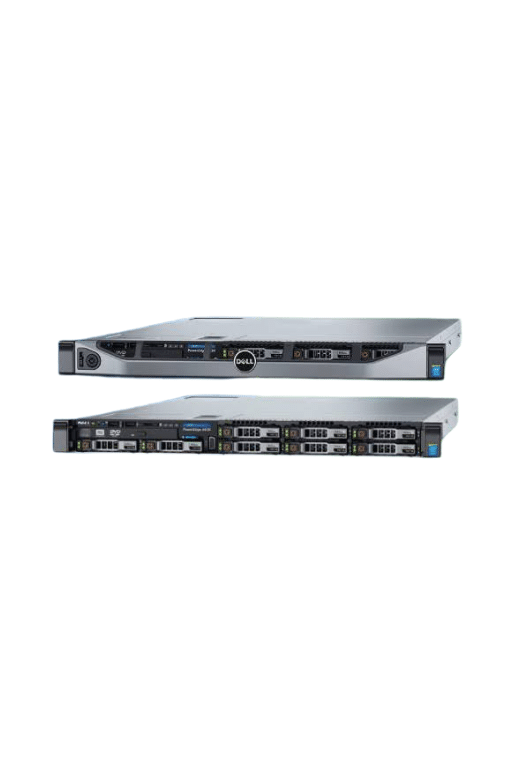
The Dell PowerEdge R630 is a high-density 1U dual-socket enterprise rack server designed for virtualization, databases, cloud infrastructure, high-performance computing, and demanding business applications. It supports up to two Intel Xeon E5-2600 v3/v4 processors, 24 DDR4 DIMM slots, up to 1.5TB of memory, flexible 2.5-inch SAS/SATA/SSD storage, PCIe expansion, Dell PERC RAID controllers, and iDRAC8 with Lifecycle Controller. Its compact 1U design provides excellent computing density for data-center environments.
Quick View -

Dell EMC PowerEdge R450
Read more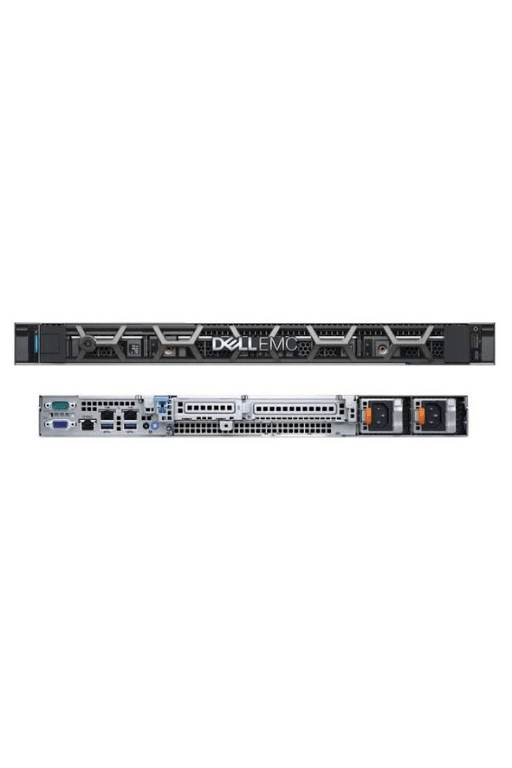
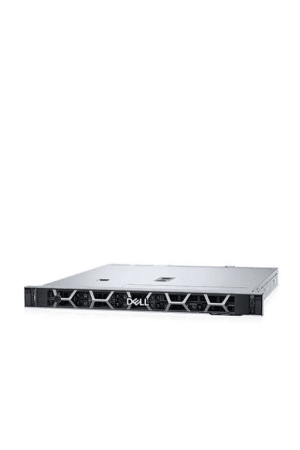
The Dell EMC PowerEdge R450 is a powerful 1U dual-socket rack server designed for virtualization, databases, web hosting, business applications, scale-out infrastructure, and other demanding workloads. It supports up to two 3rd Generation Intel Xeon Scalable processors with up to 24 cores per processor, up to 1TB DDR4 ECC RDIMM memory, flexible 2.5-inch or 3.5-inch SAS/SATA storage, PCIe Gen 4 expansion, redundant hot-swappable power supplies, and iDRAC9 for comprehensive remote management.
Quick View -



Dell PowerEdge R230 1U Rack Server
Read more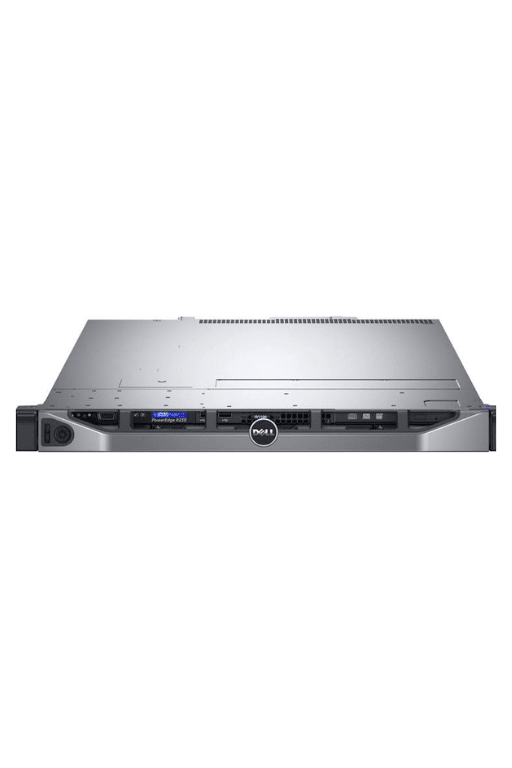
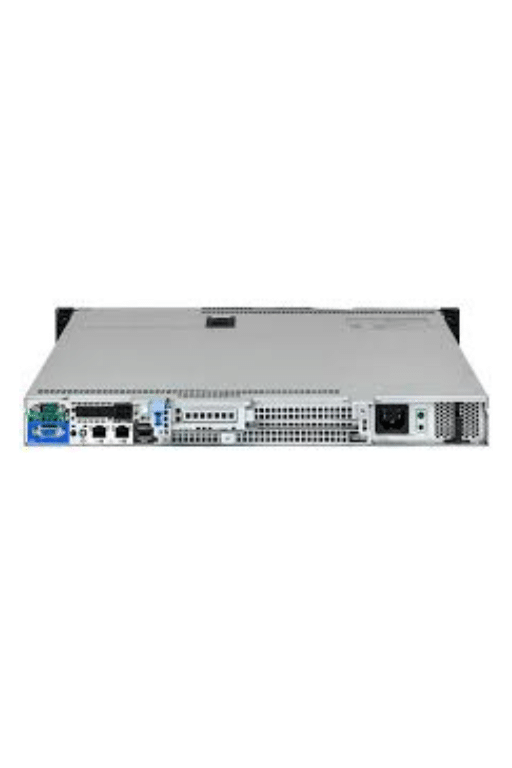
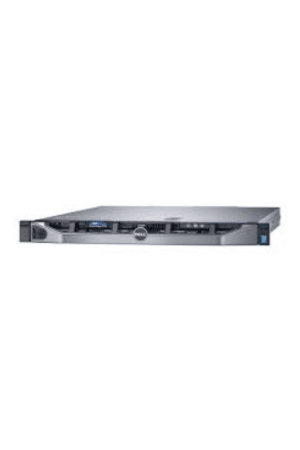
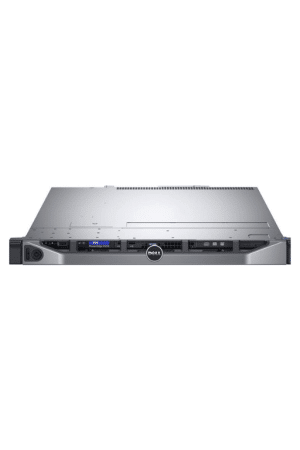
Dell PowerEdge R230 is a compact 1U, single-socket rack server designed for small and medium-sized businesses, remote offices, and branch-office environments. It supports Intel Xeon E3-1200 v5/v6 processors, up to 64GB DDR4 memory, up to four internal drives, dual Gigabit Ethernet, PCIe 3.0 expansion, and iDRAC8 with Lifecycle Controller for remote server management.
Quick View -

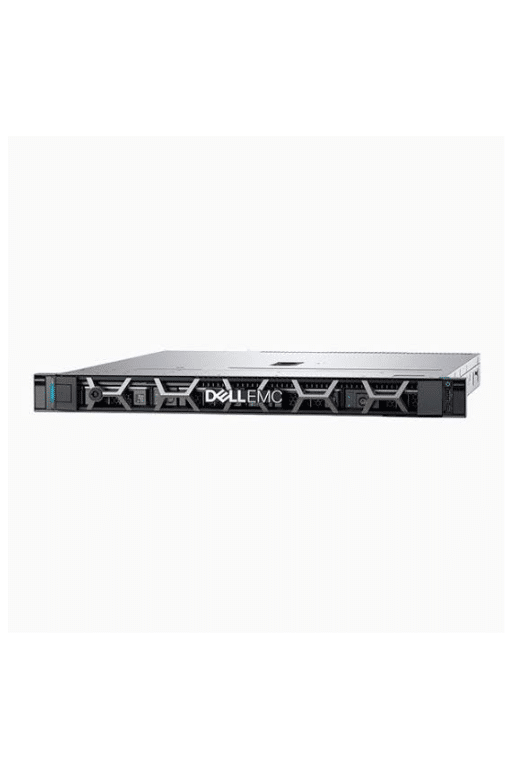
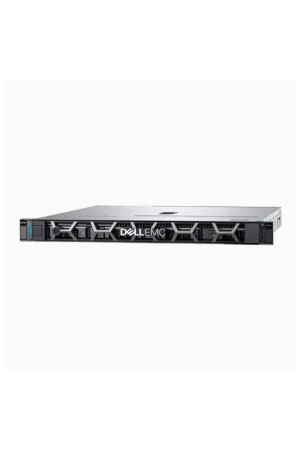
Dell PowerEdge R250 1U Rack Server
Read more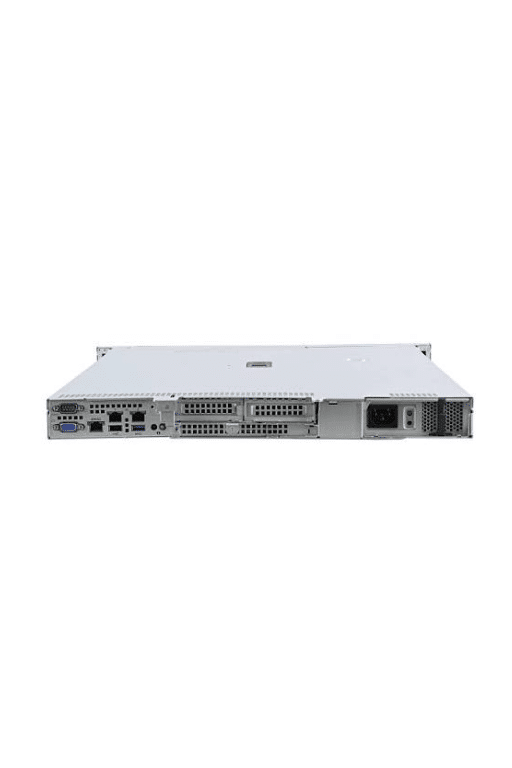
Dell PowerEdge R250 is a compact 1U single-socket rack server designed for small and medium-sized businesses, branch offices, web hosting, file services, and general business applications. It supports an Intel Xeon E-2300 series processor with up to 8 cores, up to 128GB DDR4 ECC UDIMM memory, up to four 3.5-inch drives, dual 1GbE networking, PCIe Gen 4 expansion, and iDRAC9 remote management.
Quick View