Cisco-Catalyst C1000-48P-4G-L
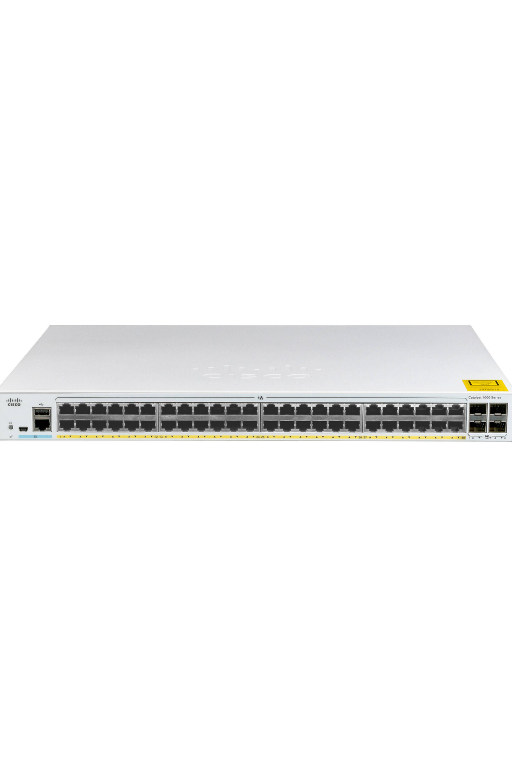
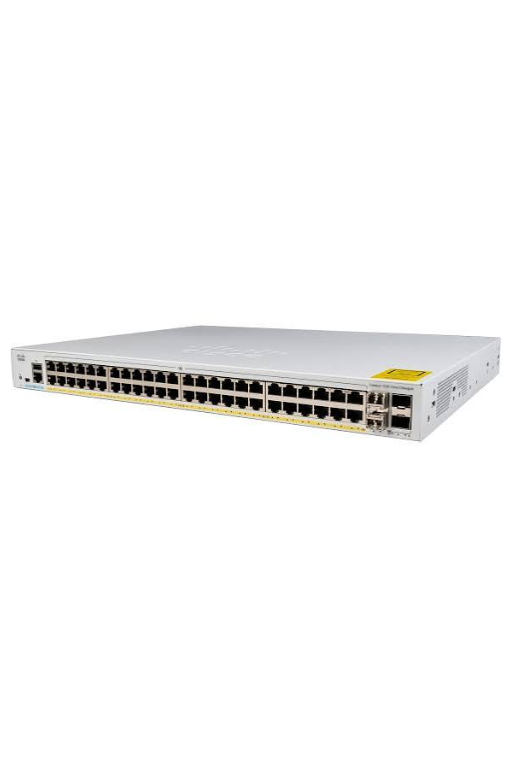
The Cisco Catalyst C1000-48P-4G-L is a 48-port Gigabit Ethernet managed PoE+ switch designed for small and medium-sized businesses, enterprise branch offices, campus access networks, and IoT deployments. It provides 48 × 10/100/1000BASE-T PoE+ ports and 4 × 1G SFP uplinks, with Layer 2 switching, enhanced security, QoS, and flexible management capabilities.
Description
The Cisco Catalyst C1000-48P-4G-L is part of the Cisco Catalyst 1000 Series, a family of fixed-configuration managed switches designed to deliver reliable and secure connectivity for small enterprise, branch, industrial, and IoT environments.
The switch provides 48 Gigabit Ethernet RJ45 ports with IEEE 802.3af/at PoE+ support, allowing compatible devices to receive both network connectivity and electrical power through standard Ethernet cabling. PoE+ makes the switch suitable for powering IP phones, wireless access points, IP cameras, access-control systems, IoT devices, and other PoE-enabled endpoints.
For upstream connectivity, the C1000-48P-4G-L provides four 1 Gigabit SFP ports. These interfaces can be used with compatible Cisco SFP transceivers for fiber uplinks to aggregation switches, distribution equipment, or other network infrastructure.
The switch supports Layer 2 switching, including VLANs, 802.1Q trunking, STP, RSTP, MSTP, EtherChannel, and link aggregation. It also provides basic Layer 3 capabilities such as static routing, depending on the software configuration.
Security features include 802.1X authentication, port security, DHCP snooping, Dynamic ARP Inspection, IP Source Guard, and access-control lists, helping administrators control network access and protect connected devices.
The C1000 Series supports multiple management methods, including Cisco IOS CLI, web-based management, SNMP, and Cisco Configuration Professional, providing flexibility for organizations with different levels of network-management expertise.
Unlike higher-end Catalyst platforms, the C1000 Series is focused on straightforward Layer 2 access switching and does not use StackWise technology. It is therefore well suited to deployments where simplicity, PoE connectivity, and reliable Gigabit switching are the primary requirements.
Key Specifications
| Feature | Specification |
|---|---|
| Product | Cisco Catalyst C1000-48P-4G-L |
| Product Type | Managed PoE+ Ethernet Switch |
| Series | Cisco Catalyst 1000 |
| Form Factor | 1U Rack-Mount |
| Downlink Ports | 48 × 10/100/1000BASE-T |
| PoE Standard | IEEE 802.3af/at PoE+ |
| PoE Power per Port | Up to 30 W |
| Uplink Ports | 4 × 1G SFP |
| Uplink Type | Fixed |
| Switching Capacity | Up to 104 Gbps |
| Forwarding Rate | Up to 77.38 Mpps |
| Layer 2 Switching | Supported |
| Static Routing | Supported |
| IPv4 / IPv6 | Supported |
| VLANs | Up to 4,000 |
| QoS | Supported |
| 802.1X | Supported |
| Port Security | Supported |
| DHCP Snooping | Supported |
| Dynamic ARP Inspection | Supported |
| IP Source Guard | Supported |
| ACLs | Supported |
| EtherChannel | Supported |
| STP / RSTP / MSTP | Supported |
| SNMP | Supported |
| Management | CLI / Web / SNMP |
| Stacking | Not supported |
| Rack Height | 1U |
Key Features & Benefits
- 48 × Gigabit Ethernet PoE+ ports
- Supports IEEE 802.3af/at
- Up to 30W per PoE+ port
- 4 × fixed 1G SFP uplinks
- Copper and fiber connectivity
- Powers IP phones, wireless APs, cameras, and IoT devices
- Layer 2 switching
- Static routing capabilities
- VLAN and trunking support
- EtherChannel
- STP/RSTP/MSTP
- Advanced QoS
- 802.1X authentication
- Port security
- DHCP Snooping
- Dynamic ARP Inspection
- IP Source Guard
- ACL support
- IPv4 and IPv6 support
- Cisco IOS-based management
- Web and SNMP management
- Compact 1U rack-mount design
Recommended Applications
The Cisco Catalyst C1000-48P-4G-L is suitable for:
- Small & Medium Business Networks
- Enterprise Branch Offices
- Campus Access Networks
- IP Telephony
- Wireless Access Point Deployment
- IP Surveillance
- IoT Networks
- Retail Networks
- Education Networks
- Healthcare Networks
- Office Network Infrastructure
- PoE Device Aggregation
Related products
-
Cisco-Catalyst WS-C3650-24PS-L
Read more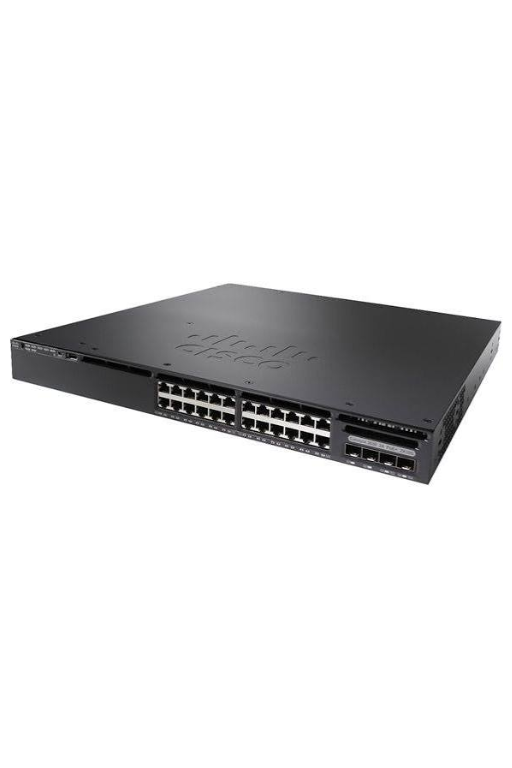
The Cisco Catalyst WS-C3650-24PS-L is a 24-port Gigabit Ethernet managed PoE+ switch designed for enterprise access-layer, campus, branch, and converged wired/wireless network deployments. It provides 24 × 10/100/1000BASE-T PoE+ ports and 4 × 1G SFP uplink interfaces, with Cisco IOS XE, StackWise-160, advanced security, QoS, and wireless convergence capabilities.
Quick View -
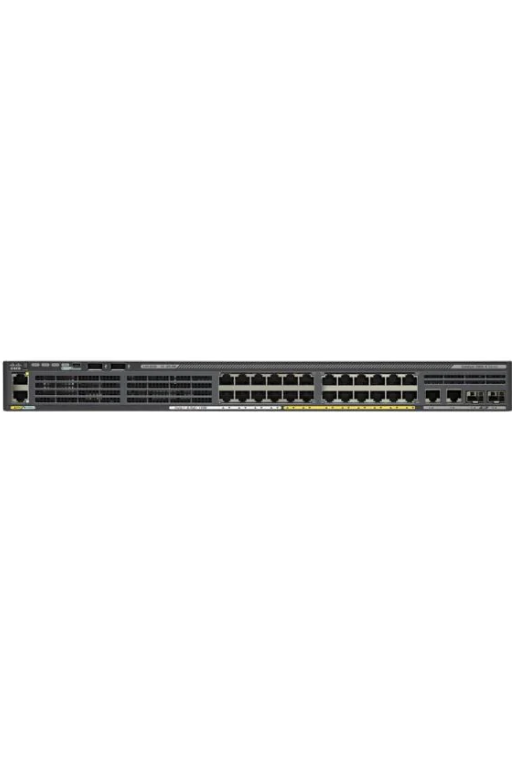
Cisco-Catalyst C2960X-48LPS-L
Read more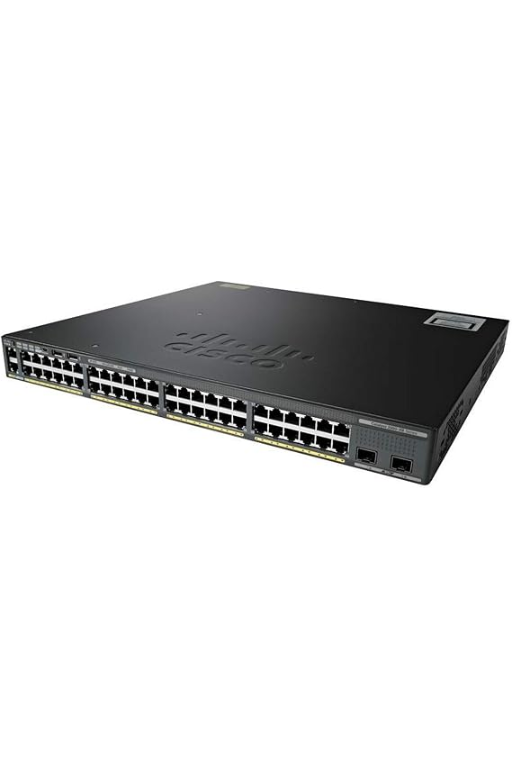
The Cisco Catalyst C2960X-48LPS-L is a 48-port Gigabit Ethernet managed PoE+ switch designed for enterprise access-layer, branch, campus, and small-to-medium business networks. It provides 48 × 10/100/1000BASE-T ports with PoE+, along with 4 × 1G SFP uplink interfaces, Layer 2 switching, IPv6 support, QoS, security features, and FlexStack-Plus stacking capabilities.
Quick View -

Cisco Catalyst C9300-24P-E
Read more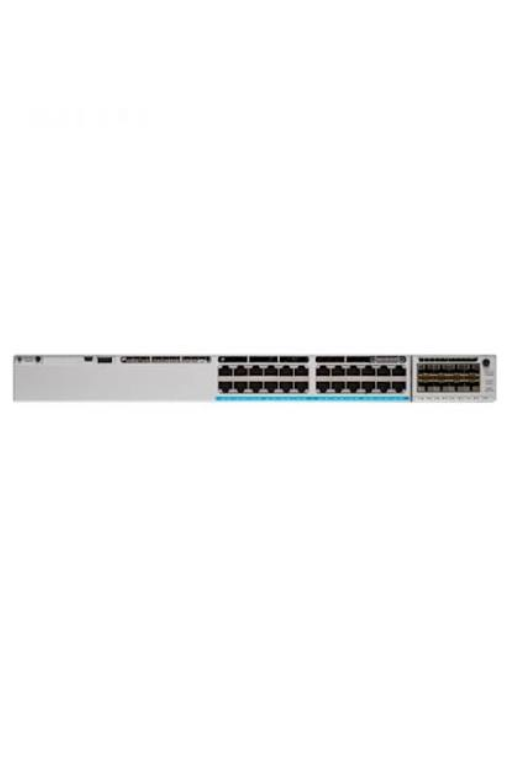
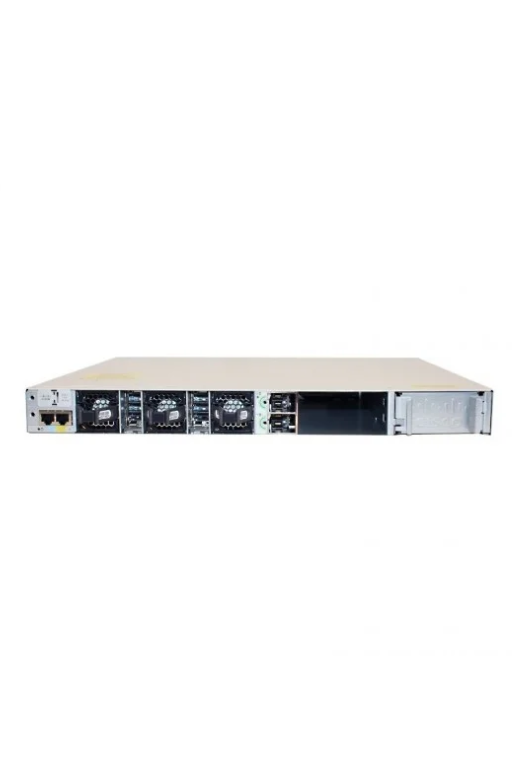
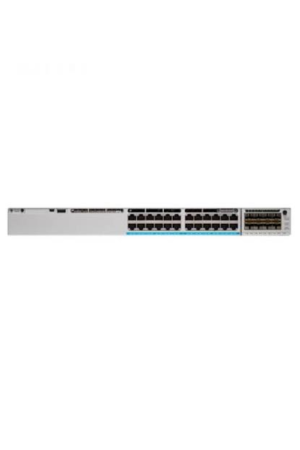
The Cisco Catalyst C9300-24P-E is a 24-port Gigabit Ethernet PoE+ managed switch designed for enterprise access-layer, campus, and branch networks. It provides 24 × 10/100/1000 PoE+ copper ports, supports modular uplink modules, and includes the Cisco Network Essentials software package. Cisco identifies this model as a stackable Catalyst 9300 switch supporting StackWise-480 and StackPower.
Quick View -
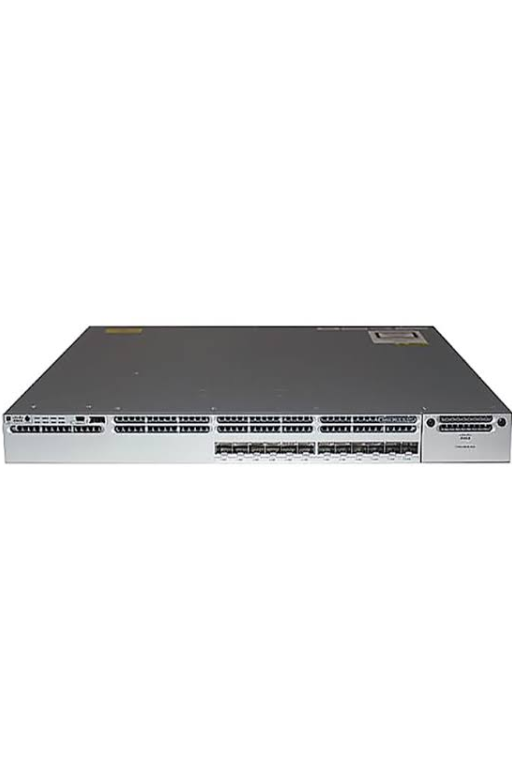

Cisco-Catalyst WS-C3850-12S-S
Read more
The Cisco Catalyst WS-C3850-12S-S is a 12-port Gigabit Ethernet Layer 3 managed switch designed for enterprise campus, aggregation, and fiber-based access networks. It provides 12 × 1G SFP fiber ports, advanced Layer 2/Layer 3 switching, StackWise-480 technology, enterprise security, QoS, and Cisco IOS XE software.
Quick View