
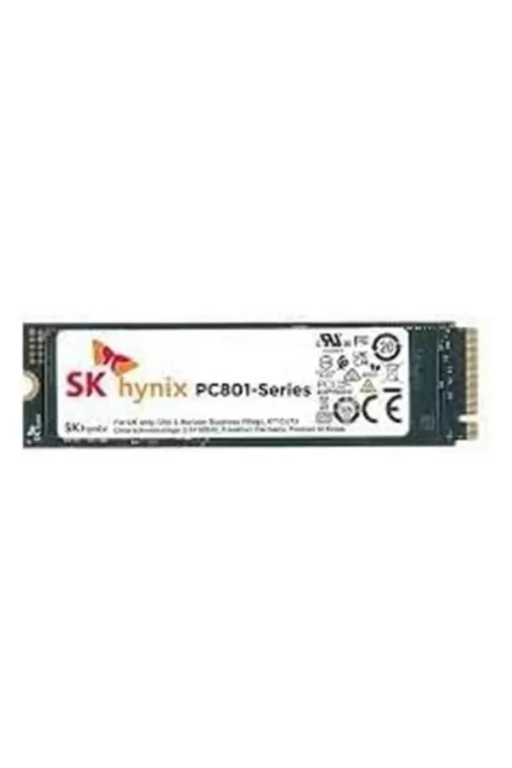
SK hynix HFS001TEJ9X125N – 1TB PC801 PCIe 4.0 NVMe M.2 SSD
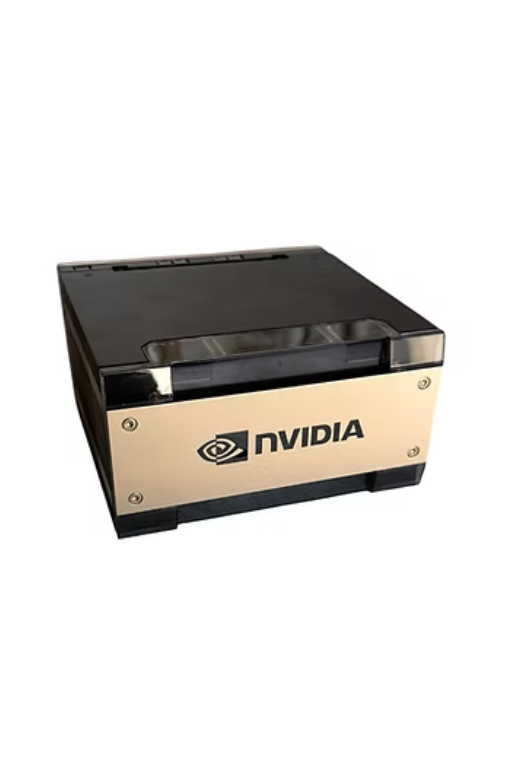
NVIDIA H100 SXM5 80GB – Hopper Tensor Core Data Center GPU
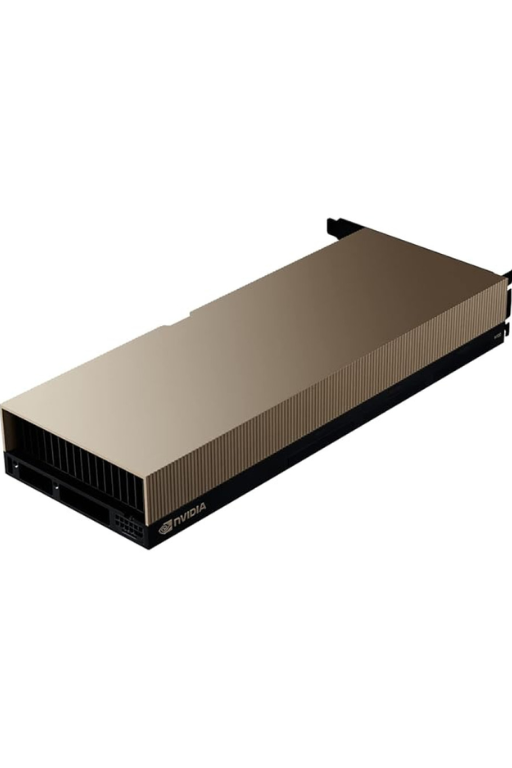
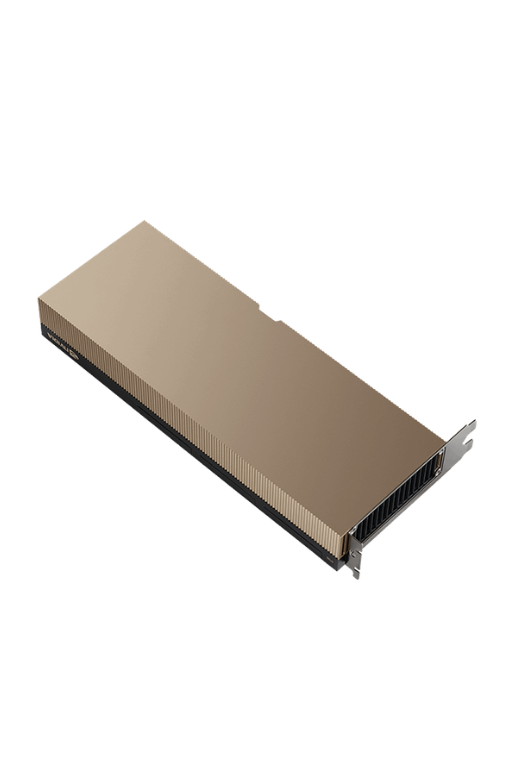
NVIDIA H100 PCIe 80GB – Hopper Tensor Core Data Center GPU
The NVIDIA H100 PCIe 80GB is a high-performance Hopper-generation Tensor Core data-center GPU designed for artificial intelligence, machine learning, high-performance computing (HPC), scientific computing, and accelerated data analytics. It features 80GB HBM2e memory, PCIe Gen5 x16 connectivity, approximately 2TB/s memory bandwidth, and support for Multi-Instance GPU (MIG) technology with up to seven GPU instances.
Description
The NVIDIA H100 PCIe 80GB is a purpose-built accelerator for demanding enterprise AI and high-performance computing environments. Based on the NVIDIA Hopper architecture, the H100 combines fourth-generation Tensor Cores, CUDA acceleration, high-bandwidth HBM2e memory, and PCIe Gen5 connectivity to provide substantial computational throughput for modern AI and HPC workloads.
The PCIe model provides 80GB of HBM2e GPU memory across a 5,120-bit memory interface, with a specified peak memory bandwidth of approximately 2,000 GB/s (2TB/s). This large, high-bandwidth memory subsystem is particularly valuable for large neural-network models, scientific simulations, large-scale data processing, and workloads that require rapid movement of datasets between compute resources and GPU memory.
The GPU provides 14,592 CUDA cores and 456 fourth-generation Tensor Cores. NVIDIA specifies up to 51 TFLOPS FP32, 756 TFLOPS TF32 Tensor Core performance, and 1,513 TFLOPS BF16/FP16 Tensor Core performance with sparsity for the PCIe variant.
Connectivity is provided through a PCI Express Gen5 x16 interface, with up to 128GB/s aggregate PCIe bandwidth. The platform also supports NVIDIA NVLink connectivity for supported multi-GPU configurations, while the H100 PCIe is designed as a dual-slot, air-cooled accelerator suitable for compatible data-center servers.
The H100 PCIe supports Multi-Instance GPU (MIG) technology, allowing the physical GPU to be partitioned into multiple isolated GPU instances. NVIDIA documents configurations of up to seven MIG instances, including profiles with up to 80GB of total framebuffer available to a single instance.
The accelerator also supports SR-IOV, enabling virtualization-oriented deployment scenarios, and NVIDIA documents Linux and Windows driver support for the H100 PCIe platform.
3. Complete Technical Specification
| Specification | Details |
|---|---|
| Manufacturer | NVIDIA |
| Product | H100 Tensor Core GPU |
| Variant | H100 PCIe 80GB |
| Architecture | NVIDIA Hopper |
| GPU Family | GH100 |
| GPU Memory | 80GB |
| Memory Type | HBM2e |
| Memory Interface | 5,120-bit |
| Memory Bandwidth | Up to 2.0TB/s |
| CUDA Cores | 14,592 |
| Tensor Cores | 456, 4th Generation |
| FP64 Performance | Up to 26 TFLOPS |
| FP64 Tensor Core | Up to 51 TFLOPS |
| FP32 Performance | Up to 51 TFLOPS |
| TF32 Tensor Core | Up to 756 TFLOPS* |
| BF16 Tensor Core | Up to 1,513 TFLOPS* |
| FP16 Tensor Core | Up to 1,513 TFLOPS* |
| FP8 Tensor Core | Up to 3,026 TFLOPS* |
| INT8 | Up to 3,026 TOPS* |
| Interface | PCI Express Gen5 x16 |
| PCIe Bandwidth | Up to 128GB/s aggregate |
| Form Factor | PCIe dual-slot |
| Cooling | Air-cooled |
| TDP | Configurable approximately 300–350W |
| Power Connector | One PCIe 16-pin auxiliary power connector |
| L2 Cache | 50MB |
| MIG | Supported, up to 7 instances |
| SR-IOV | Supported |
| NVLink | Supported; up to 600GB/s for PCIe H100 configurations |
| NVDEC | 7 |
| JPEG Decoders | 7 |
| Memory Clock | 1,593MHz |
| Memory Technology | HBM2e |
| PCIe Lane Configuration | Gen5 x16 / Gen5 x8 / Gen4 x16 supported |
| Operating Environment | Data-center / server deployment |
| Primary Workloads | AI, ML, HPC, analytics, scientific computing |
* NVIDIA’s published Tensor Core figures marked with an asterisk are shown with sparsity; actual non-sparse throughput is lower.
4. Applications
The NVIDIA H100 PCIe 80GB is designed for demanding accelerated-computing environments, including:
- AI and machine learning
- Large language model (LLM) training
- Generative AI
- AI inference
- Deep learning
- High-performance computing (HPC)
- Scientific and engineering simulations
- Data analytics
- Computer vision
- Natural language processing
- Recommendation systems
- Financial modeling
- Molecular and pharmaceutical research
- Seismic and geophysical processing
- Digital twins and simulation
- GPU-accelerated databases
- Virtualized GPU infrastructure
- Multi-GPU data-center servers
5. Compatibility
The H100 PCIe 80GB is intended for compatible enterprise servers and data-center systems equipped with PCIe Gen5-capable expansion slots and adequate power and cooling.
NVIDIA identifies the PCIe H100 as a dual-slot, air-cooled PCIe accelerator and lists deployment in partner and NVIDIA-Certified systems supporting configurations from one to eight GPUs.
Before installation, the host server should be checked for:
- PCIe Gen5 x16 or compatible PCIe slot configuration
- Two-slot GPU clearance
- Adequate airflow
- Appropriate auxiliary GPU power connection
- Sufficient power-supply capacity
- BIOS/UEFI support
- NVIDIA H100-compatible drivers
- Server manufacturer’s GPU support list
- Appropriate chassis thermal design
Important: The H100 PCIe 80GB is a data-center accelerator, not a conventional consumer graphics card. It does not target desktop gaming use and is designed primarily for server-based compute workloads.
6. Key Benefits
- 80GB HBM2e for large AI and HPC datasets
- Approximately 2TB/s memory bandwidth
- 14,592 CUDA cores for massively parallel computation
- 456 fourth-generation Tensor Cores
- Advanced Hopper architecture for AI acceleration
- PCIe Gen5 x16 host connectivity
- Up to 128GB/s PCIe bandwidth
- Support for MIG GPU partitioning
- Up to 7 isolated GPU instances
- Support for SR-IOV virtualization
- High-performance Tensor Core acceleration
- Dual-slot air-cooled server design
- Designed for enterprise and data-center environments
- Excellent platform for LLMs, generative AI, HPC and scientific workloads
- Supports scalable multi-GPU configurations
7. SEO Title
NVIDIA H100 PCIe 80GB Tensor Core GPU – 80GB HBM2e PCIe Gen5 AI Accelerator
Related products
-
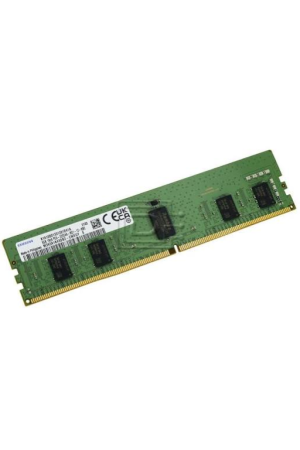
Samsung M393A4G40AB3-CWE 32GB DDR4-3200 ECC RDIMM Server Memory
Read more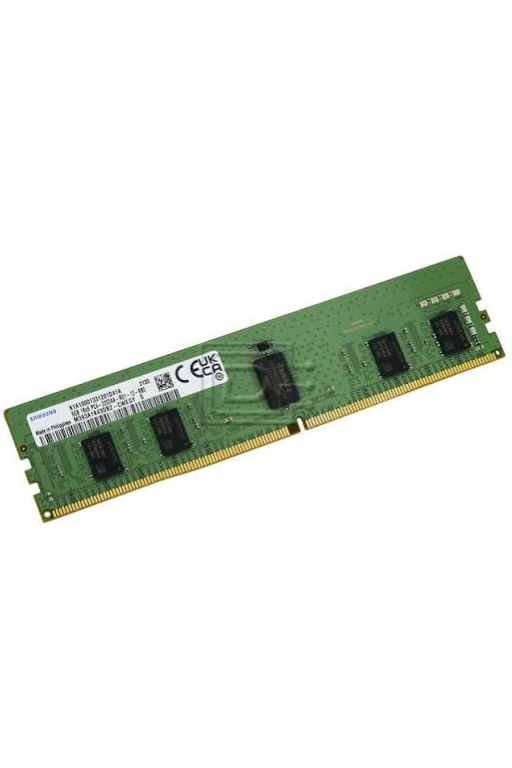
The Samsung M393A4G40AB3-CWE is a 32GB DDR4-3200 ECC Registered DIMM (RDIMM) designed for enterprise servers, data-center infrastructure, and professional computing platforms.
Featuring 32GB capacity, DDR4-3200 performance, ECC error correction, single-rank 1Rx4 organization, 288-pin construction, 1.2V operation, and CL22 latency, this Samsung server memory module provides reliable, high-bandwidth memory for demanding server workloads.
Quick View -
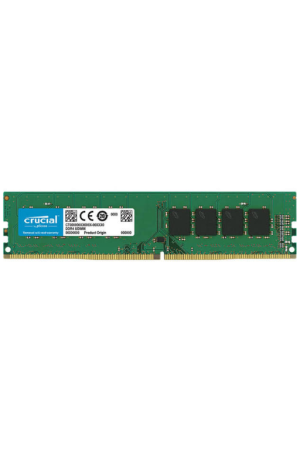
Crucial 4GB DDR4-2666 memory module
$ 21.77 Excluding VAT Add to cart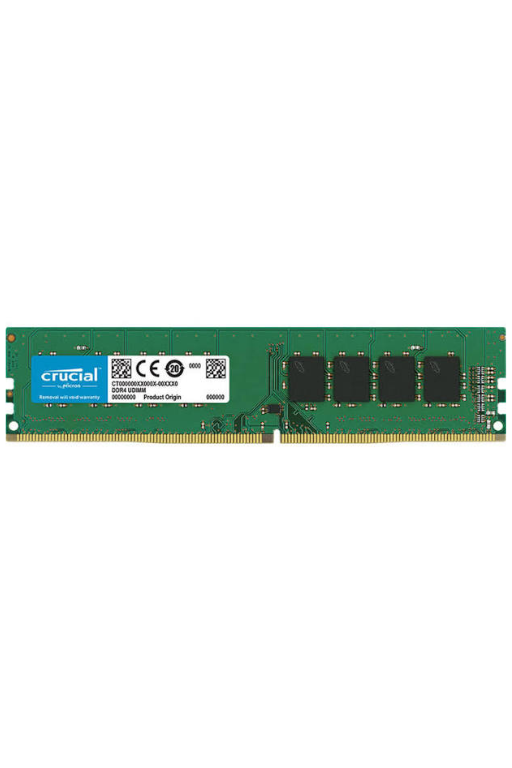 $ 21.77 Excluding VAT
The Crucial 4GB DDR4-2666 RAM is a reliable high-speed memory module designed to improve system responsiveness and multitasking performance. With 4GB capacity and a 2666MHz DDR4 data rate, it is suitable for compatible desktop computers, workstations, servers, and other systems requiring DDR4 memory.
Quick View -
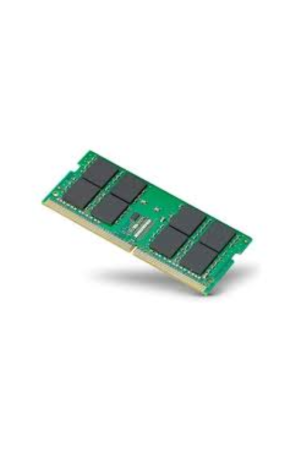
Kingston-32GB 3200 MHz DDR4 Memory
Read more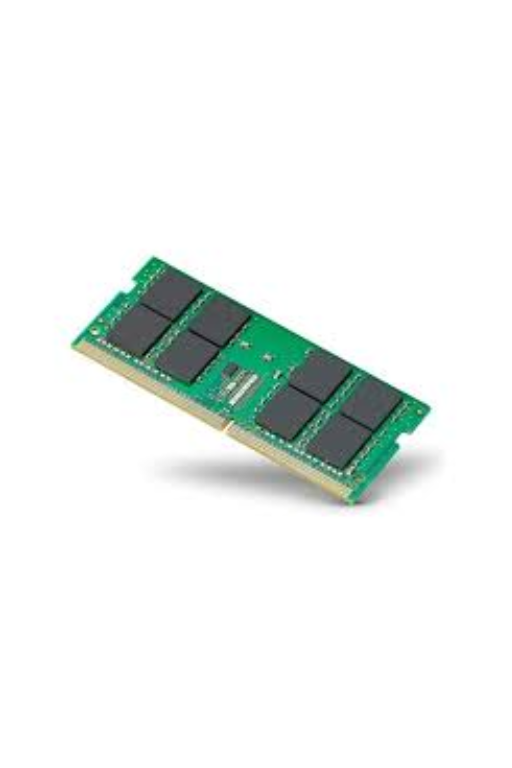
The Kingston 32GB 3200 MHz DDR4 Memory module provides high-capacity, high-speed memory for compatible desktop computers, workstations, and professional computing systems. With 32GB capacity and DDR4-3200 performance, it is designed for demanding multitasking, content creation, virtualization, gaming, and business applications.
Quick View -
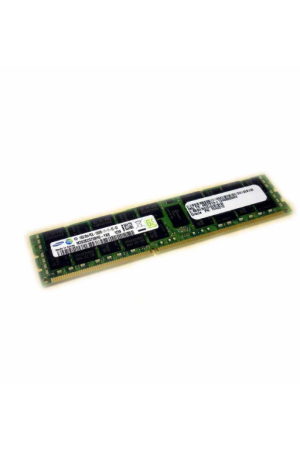
Oracle Sun 7104199 16GB Memory Expansion
$ 24.51 Excluding VAT Add to cart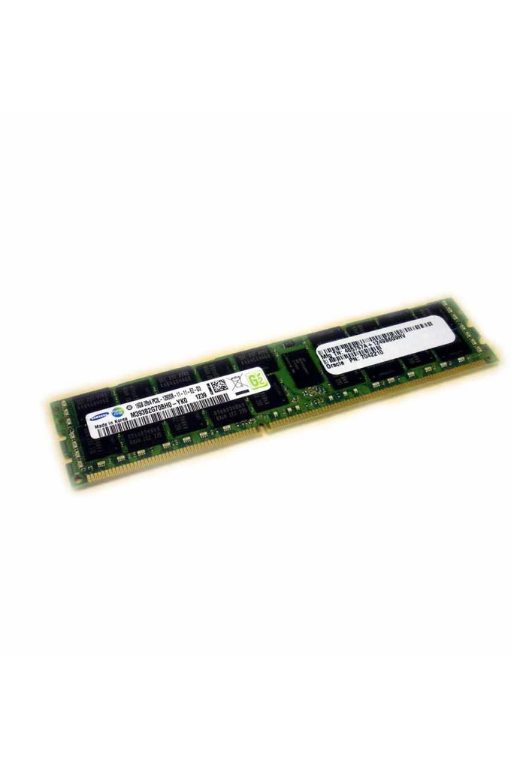 $ 24.51 Excluding VAT
The Oracle Sun 7104199 is a 16GB memory expansion module designed for compatible Oracle/Sun enterprise server platforms. It provides additional system memory capacity to support demanding enterprise workloads, virtualization, databases, and business-critical applications.
Quick View
