
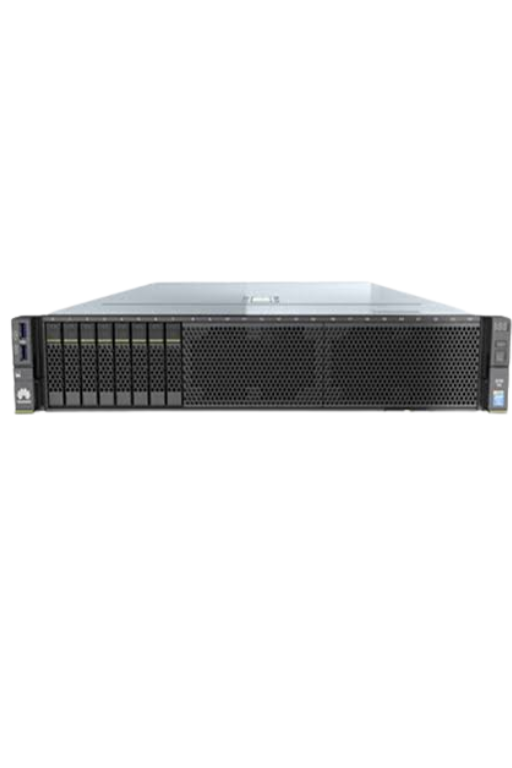
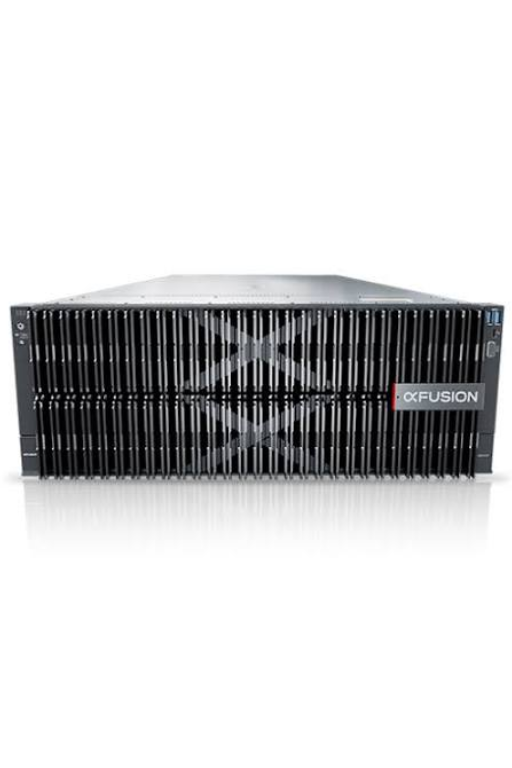
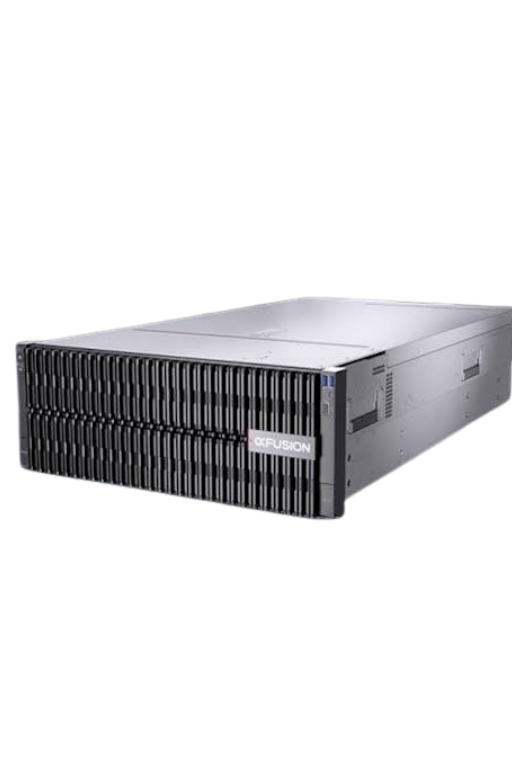
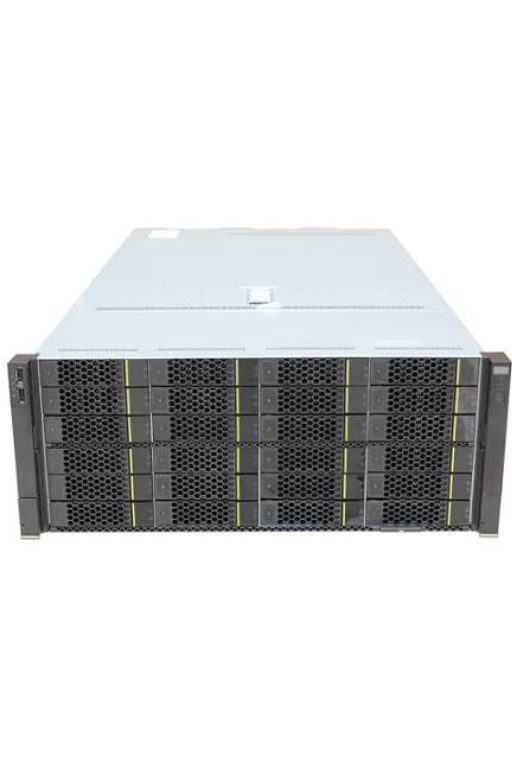
Huawei-FusionServer G5500 V7
The Huawei FusionServer G5500 V7 is a high-performance GPU-accelerated server platform designed for artificial intelligence, deep learning, high-performance computing, scientific workloads, and data-intensive applications. It combines high-end Intel Xeon Scalable processing, high-capacity DDR5 memory, high-speed networking, extensive PCIe 5.0 expansion, and support for multiple GPU accelerators.
Description
The Huawei FusionServer G5500 V7 is an enterprise-class GPU server engineered for workloads that require substantial parallel computing performance and accelerated processing. It is designed for modern AI and HPC environments where CPUs work together with dedicated GPU accelerators to process large datasets and complex computational workloads.
The platform supports Intel Xeon Scalable processors, providing substantial CPU resources for data preprocessing, orchestration, virtualization, and general-purpose computing. Combined with high-performance GPU accelerators, the G5500 V7 can deliver the computing density required for demanding artificial intelligence and scientific applications.
The server supports DDR5 memory, providing high bandwidth and capacity for large datasets and computational workloads. High-speed memory is particularly important for AI training, inference, simulations, analytics, and HPC applications where large volumes of data must be processed rapidly.
A key capability of the G5500 V7 is its GPU expansion architecture. The platform is designed to accommodate multiple high-performance accelerator cards, allowing organizations to build GPU-accelerated infrastructure for deep learning, AI inference, scientific computing, visualization, and accelerated analytics.
The system also provides high-speed PCIe 5.0 connectivity, enabling high-bandwidth communication between CPUs, GPUs, storage controllers, and networking adapters. This helps reduce I/O bottlenecks in accelerator-intensive environments.
High-speed networking options allow the server to integrate into GPU clusters, HPC environments, and distributed AI infrastructure. Depending on configuration, high-bandwidth Ethernet and other network adapters can be installed through the available expansion architecture.
For enterprise reliability, the platform incorporates redundant power and cooling capabilities on supported configurations. Huawei’s iBMC management controller provides remote monitoring, hardware diagnostics, configuration, firmware management, and out-of-band server administration.
Key Specifications
| Feature | Specification |
|---|---|
| Product | Huawei FusionServer G5500 V7 |
| Product Type | GPU / AI Server |
| Platform | Enterprise Accelerated Computing |
| Processor | Intel Xeon Scalable |
| Memory | DDR5 ECC |
| GPU Support | Multi-GPU accelerator architecture |
| Expansion | PCIe 5.0 |
| Networking | High-speed Ethernet / accelerator networking |
| Storage | SAS / SATA / NVMe, configuration dependent |
| RAID | Hardware RAID, configuration dependent |
| Power Supply | Redundant hot-swappable options |
| Cooling | High-performance redundant cooling |
| Management | Huawei iBMC |
| Operating Systems | Linux / Windows Server / VMware, configuration dependent |
| Chassis | Rack-mounted GPU server |
Key Features & Benefits
- Designed specifically for AI and GPU-accelerated workloads
- High-performance Intel Xeon Scalable CPU platform
- High-bandwidth DDR5 memory
- Multi-GPU accelerator support
- PCIe 5.0 high-speed expansion
- High-speed networking options
- Flexible SAS/SATA/NVMe storage
- Hardware RAID options
- Redundant power architecture
- High-performance cooling
- Huawei iBMC remote management
- Suitable for clustered AI and HPC deployments
- Designed for data-intensive and computationally demanding applications
Recommended Applications
The Huawei FusionServer G5500 V7 is suitable for:
- Artificial Intelligence (AI)
- Deep Learning
- Machine Learning
- AI Model Training
- AI Inference
- High-Performance Computing (HPC)
- Scientific Computing
- Accelerated Data Analytics
- Computer Vision
- Large-Scale Simulation
- Engineering and Research
- GPU Computing
- Enterprise AI Infrastructure
Related products
-

Dell PowerEdge R360 1U Rack Server
Read more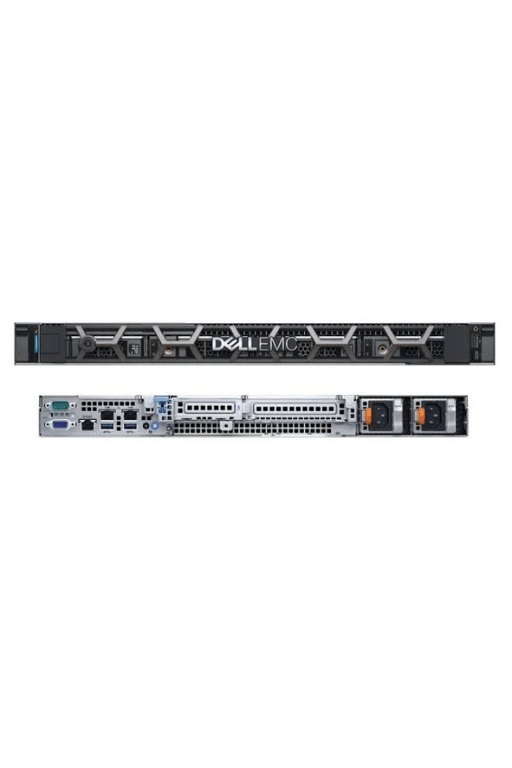
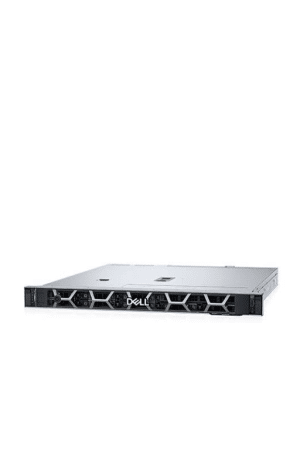
Dell PowerEdge R360 is a modern 1U single-socket rack server designed for small and medium-sized businesses, branch offices, virtualization, databases, web hosting, file services, and other demanding business applications. It supports Intel Xeon E-2400 or Xeon 6300 series processors with up to 8 cores, up to 128GB DDR5 ECC UDIMM memory, flexible hot-plug SAS/SATA and NVMe storage, PCIe Gen 5 expansion, PERC RAID controllers, and iDRAC9 remote management.
Quick View -


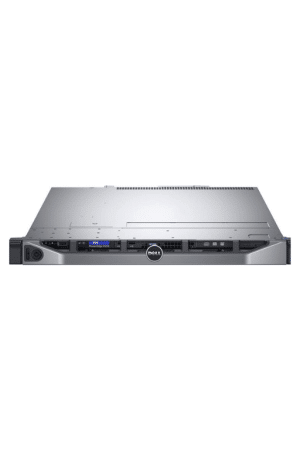
Dell PowerEdge R330 1U Rack Server
Read more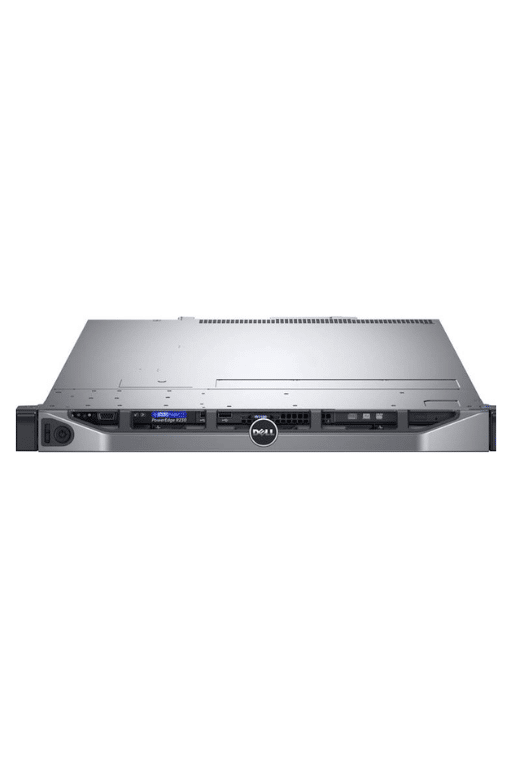
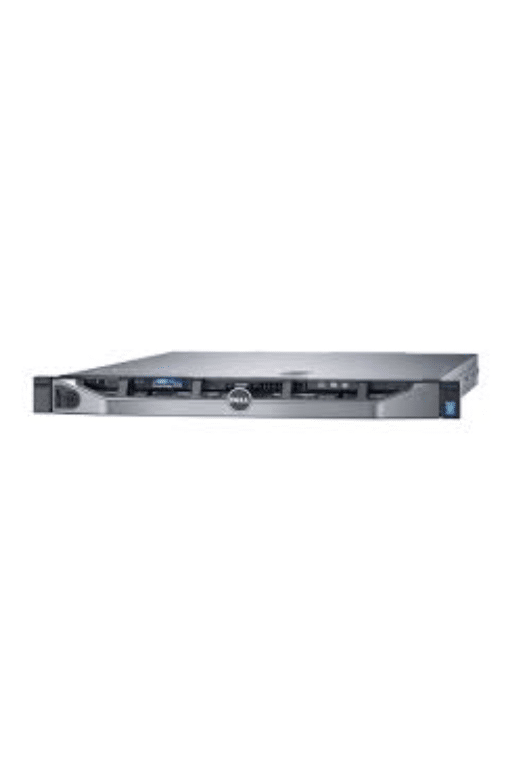
Dell PowerEdge R330 is a versatile 1U single-socket rack server designed for small and medium-sized businesses, remote/branch offices, and a wide range of business applications. It supports Intel Xeon E3-1200 v5/v6 processors, up to 64GB DDR4 UDIMM memory, flexible 2.5-inch and 3.5-inch storage configurations, dual 1GbE networking, PCIe 3.0 expansion, PERC RAID controllers, and iDRAC8 with Lifecycle Controller for remote management.
Quick View -
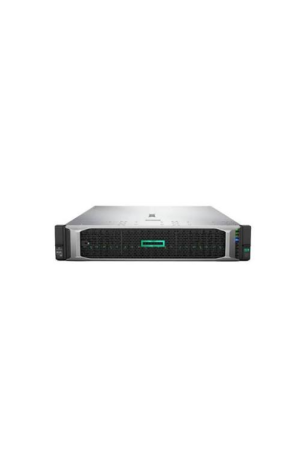
HPE ProLiant DL380 Gen10 12 LFF Base Server
Read more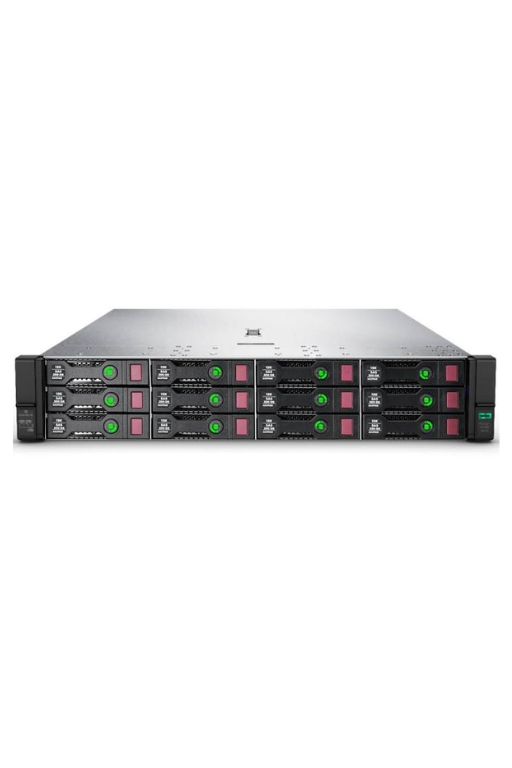
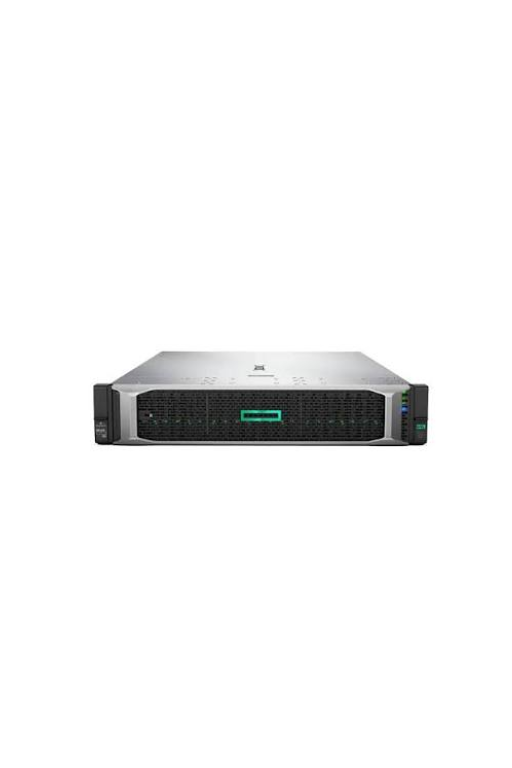
HPE ProLiant DL380 Gen10 12 LFF Base Server is a versatile 2U enterprise server configured with an Intel Xeon Bronze 3204 6-core processor, 16GB DDR4 Registered Smart Memory, 4TB SATA 7.2K LFF storage, HPE 500W Flex Slot Platinum Hot-Plug power supply, and embedded HPE iLO Standard management. It is designed for reliable business applications, file services, virtualization, storage, and general-purpose enterprise workloads.
Quick View -

Dell PowerEdge R630
Read more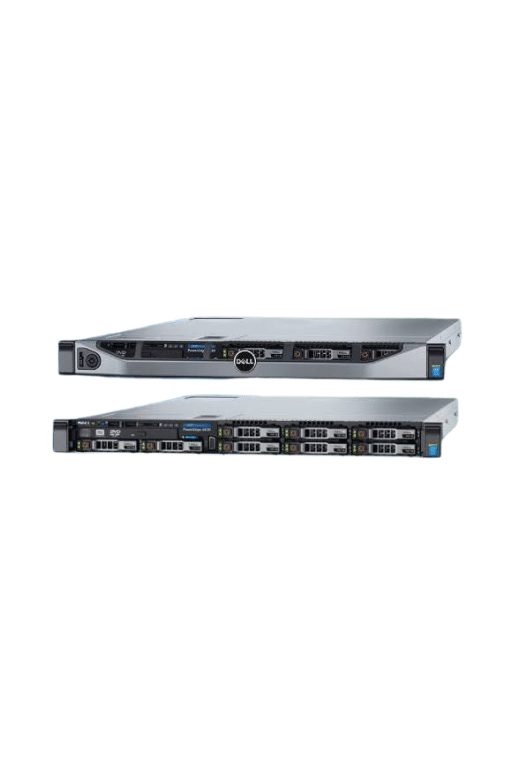
The Dell PowerEdge R630 is a high-density 1U dual-socket enterprise rack server designed for virtualization, databases, cloud infrastructure, high-performance computing, and demanding business applications. It supports up to two Intel Xeon E5-2600 v3/v4 processors, 24 DDR4 DIMM slots, up to 1.5TB of memory, flexible 2.5-inch SAS/SATA/SSD storage, PCIe expansion, Dell PERC RAID controllers, and iDRAC8 with Lifecycle Controller. Its compact 1U design provides excellent computing density for data-center environments.
Quick View