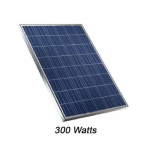
APC SMX48RMBP2U — Smart-UPS X-Series 48V External Battery Pack
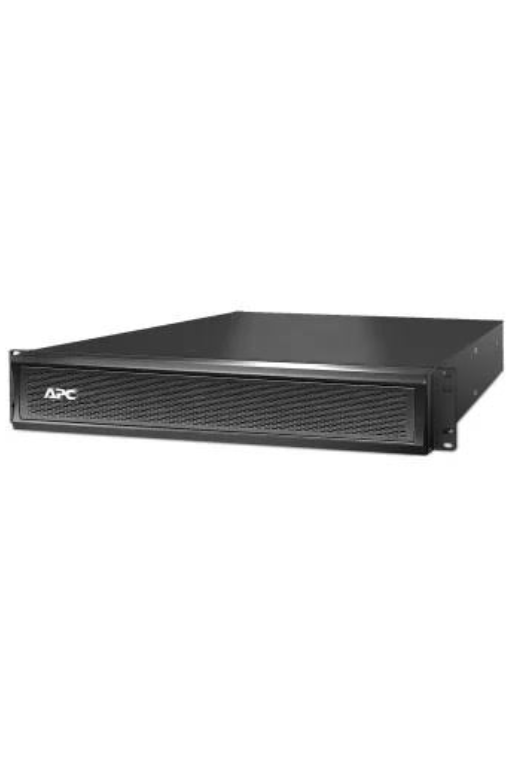
Fortinet SP-FG300E-PS — AC Power Supply Module
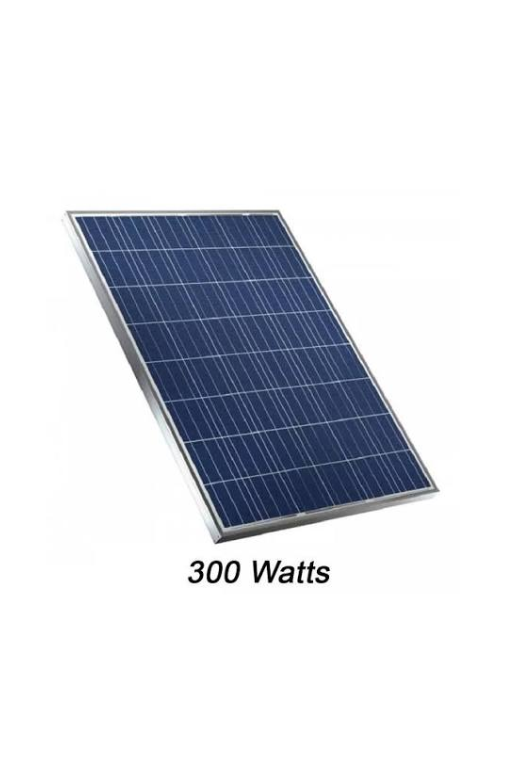
Panel 300 Watt
$ 79.78 Excluding VAT
The 300W Polycrystalline Solar Panel Kit is a solar power generation solution designed to convert sunlight into usable electrical energy for residential, commercial, agricultural, and off-grid applications. With a rated output of 300 watts, the panel is suitable for battery charging systems, backup power installations, remote equipment, lighting systems, and other compatible solar applications.
Description
The 300W Solar Cell Kit features a polycrystalline photovoltaic solar panel designed to generate electrical power from sunlight. With a rated power output of 300 watts, it provides a practical solution for renewable-energy installations where dependable solar generation is required.
Polycrystalline solar technology uses multiple silicon crystal structures to convert solar radiation into electrical energy. The panel can be integrated with a suitable solar charge controller, battery bank, inverter, or solar power system depending on the intended application.
The 300W panel is suitable for both standalone and supplemental solar installations. It can be used to help charge batteries and provide electricity for compatible DC or AC loads when combined with the appropriate supporting equipment.
Its applications can range from small off-grid installations and backup systems to agricultural equipment, remote monitoring equipment, lighting, telecommunications, and other locations where access to conventional electrical power is limited.
Key Specifications
| Specification | Details |
|---|---|
| Product Type | Solar Photovoltaic Panel / Solar Cell Kit |
| Rated Power | 300W |
| Solar Technology | Polycrystalline Silicon |
| Nominal Output | 300 Watts |
| Application | Solar Power Generation |
| Installation Type | Roof, Ground, Rack, or Suitable Mounting Structure |
| System Compatibility | Compatible solar charge controllers, batteries, inverters, and solar systems |
| Power Source | Sunlight |
| Recommended Use | Residential, Commercial, Agricultural, Backup & Off-Grid Applications |
| Panel Type | Polycrystalline |
| Electrical Parameters | Varies by manufacturer/model |
| Dimensions | Varies by manufacturer/model |
| Weight | Varies by manufacturer/model |
Note: Exact voltage (Vmp/Voc), current (Imp/Isc), dimensions, number of cells, connector type, operating temperature, and warranty depend on the specific manufacturer and model of the 300W panel.
Key Features & Benefits
- 300W Rated Power — Provides up to 300 watts of rated solar generation under specified test conditions.
- Polycrystalline Technology — Uses established crystalline-silicon photovoltaic technology for reliable solar energy generation.
- Renewable Energy Source — Generates electricity from sunlight without fuel consumption during operation.
- Off-Grid Ready — Suitable for integration into standalone solar installations with compatible batteries and charge controllers.
- Battery Charging Applications — Can be integrated with an appropriately rated solar charge controller to charge compatible battery systems.
- Versatile Installation — Suitable for residential, commercial, agricultural, and remote installations.
- Backup Power Support — Can form part of a solar backup system when combined with batteries, a charge controller, and an appropriate inverter.
- Low Operating Cost — Solar generation requires no fuel during normal operation.
- Scalable System Design — Multiple panels can be combined in a solar array when system voltage, current, controller, and inverter requirements are properly matched.
Compatibility
The 300W solar panel can be integrated into solar systems using compatible:
- MPPT solar charge controllers
- PWM solar charge controllers where electrically appropriate
- Deep-cycle batteries
- Lithium battery systems with a compatible charge controller
- Solar inverters
- Off-grid power systems
- Solar backup systems
- Solar mounting structures
- DC electrical equipment
Before installation, the panel’s Voc, Vmp, Isc, and Imp should be matched with the specifications of the solar charge controller, inverter, battery system, and other connected equipment.
Recommended Applications
The 300W polycrystalline solar panel is suitable for:
- ☀️ Off-grid solar power systems
- 🏠 Residential solar installations
- 🏢 Commercial solar systems
- 🚜 Agricultural and farm applications
- 💡 Solar lighting systems
- 🔋 Battery charging systems
- 📡 Remote telecommunications equipment
- 📹 CCTV and security systems
- 🏕️ Camping and recreational power systems
- 🏗️ Remote construction sites
- 🌐 Remote monitoring equipment
- 🔌 Solar backup-power installations
Typical System Configuration
A typical installation may consist of:
300W Solar Panel → Solar Charge Controller → Battery Bank → Inverter → AC Loads
For DC applications, compatible DC loads may be connected through the appropriate controller or power-management equipment.
The actual configuration depends on the required system voltage, battery chemistry, load requirements, solar resource, and installation design.
Installation Considerations
For optimal performance, the panel should be installed where it receives adequate direct sunlight with minimal shading.
Important installation considerations include:
- Correct panel orientation and tilt
- Avoiding shadows from buildings, trees, and other structures
- Using appropriately rated mounting hardware
- Correct cable sizing
- Proper polarity
- Matching panel voltage and current with the charge controller
- Providing suitable overcurrent and disconnect protection
- Following applicable electrical and solar-installation standards
Professional installation is recommended for permanent or high-voltage solar installations.
Compatibility Note
300W is the panel’s rated power output; it does not by itself define the system voltage. Different manufacturers produce 300W panels with different voltage and current characteristics.
Therefore, the exact panel Voc, Vmp, Isc, Imp, dimensions, connectors, and warranty should be verified against the manufacturer’s datasheet before connecting the panel to a specific charge controller, battery bank, or inverter.+
Related products
-

Oracle Sun 541-3539 Fan Module for Sun Server X2-4
Read more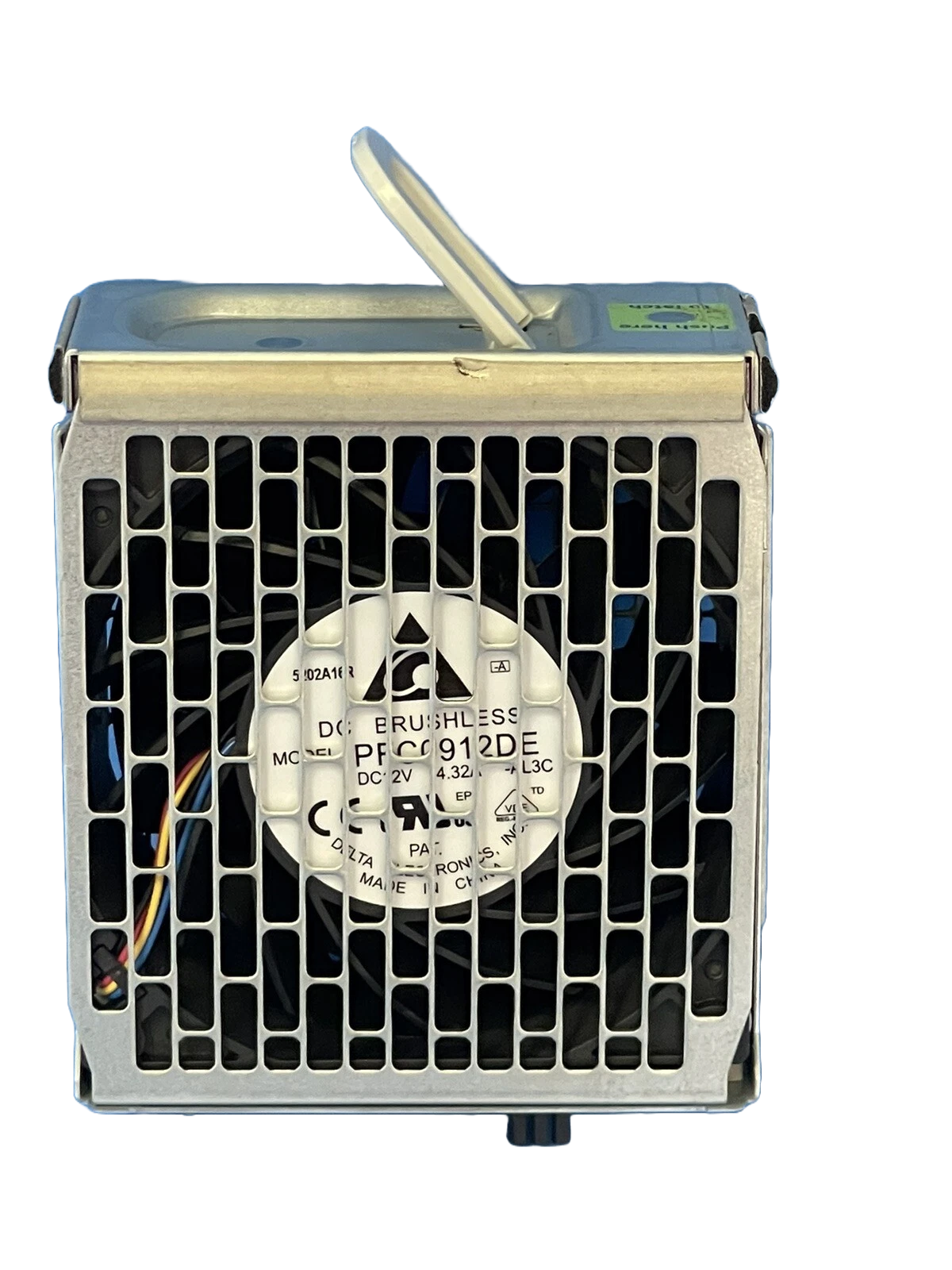
Oracle Sun 541-3539 Fan Module for Sun Server X2-4
Maintain optimal cooling and reliable server performance with the Oracle Sun 541-3539 Fan Module. Designed for the Sun Server X2-4 and other compatible Oracle/Sun enterprise servers, this 92mm hot-swappable fan assembly delivers efficient airflow for mission-critical environments, helping protect hardware from overheating and ensuring continuous operation.
Quick View -
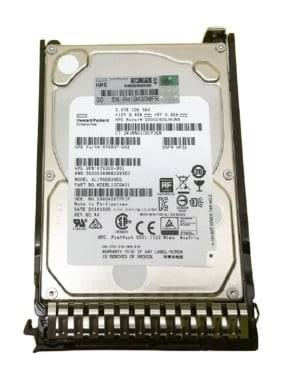
HPE 881457-B21 2.4TB 10K RPM SAS 12Gb/s SFF Hard Drive
Read more
HPE 881457-B21 2.4TB 10K RPM SAS 12Gb/s SFF Hard Drive
The HPE 881457-B21 is a 2.4TB enterprise-class SAS hard drive designed for mission-critical server environments. Featuring 10,000 RPM performance, 12Gb/s SAS connectivity, 2.5-inch Small Form Factor (SFF), 512e formatting, and an HPE Smart Carrier, it provides a strong combination of storage capacity, performance, and enterprise reliability for compatible HPE ProLiant servers.
Quick View -
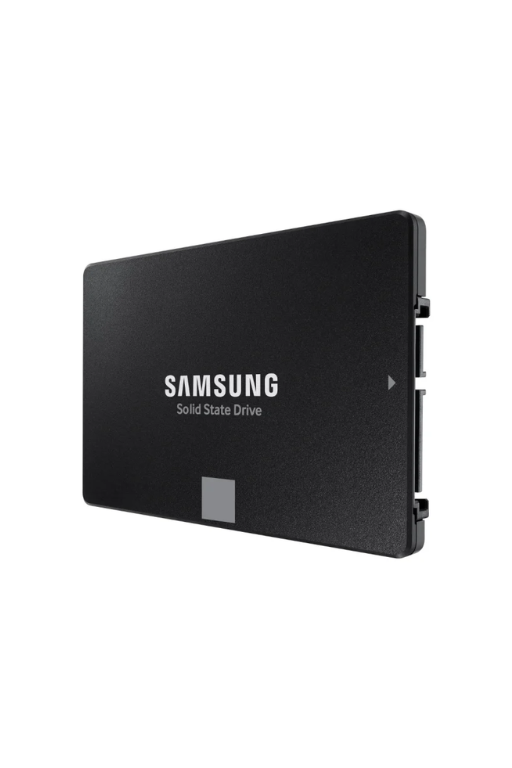
Samsung-4TB Enterprise SSD
Read more
The Samsung 4TB Enterprise SSD is a high-capacity solid-state storage solution designed for enterprise servers, data centers, workstations, virtualization, and demanding business applications. With 4TB of storage capacity, it provides fast data access, low latency, and reliable performance for large-scale storage workloads.
Quick View -
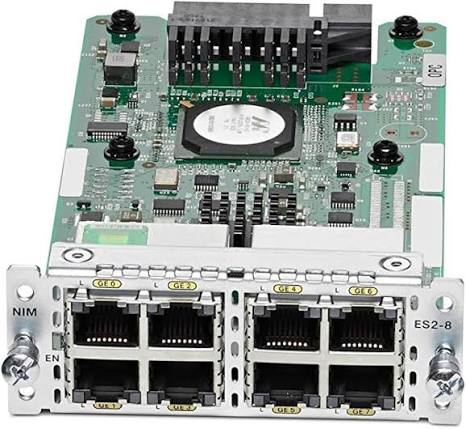
Cisco NIM-ES2-8 8-Port Layer 2 Gigabit Ethernet Switch Module
Read more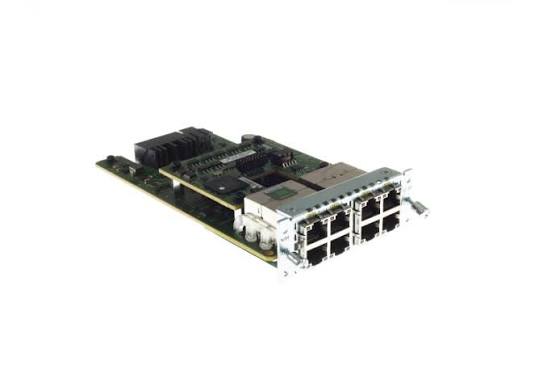
Cisco NIM-ES2-8 8-Port Layer 2 Gigabit Ethernet Switch Module
The Cisco NIM-ES2-8 is an 8-port Layer 2 Gigabit Ethernet Network Interface Module designed for compatible Cisco Integrated Services Routers. It provides eight 10/100/1000 Mbps Ethernet switch ports in a single-wide NIM form factor, enabling organizations to expand LAN connectivity directly within the router while supporting VLAN-based switching and enterprise branch-office networking.
Quick View